

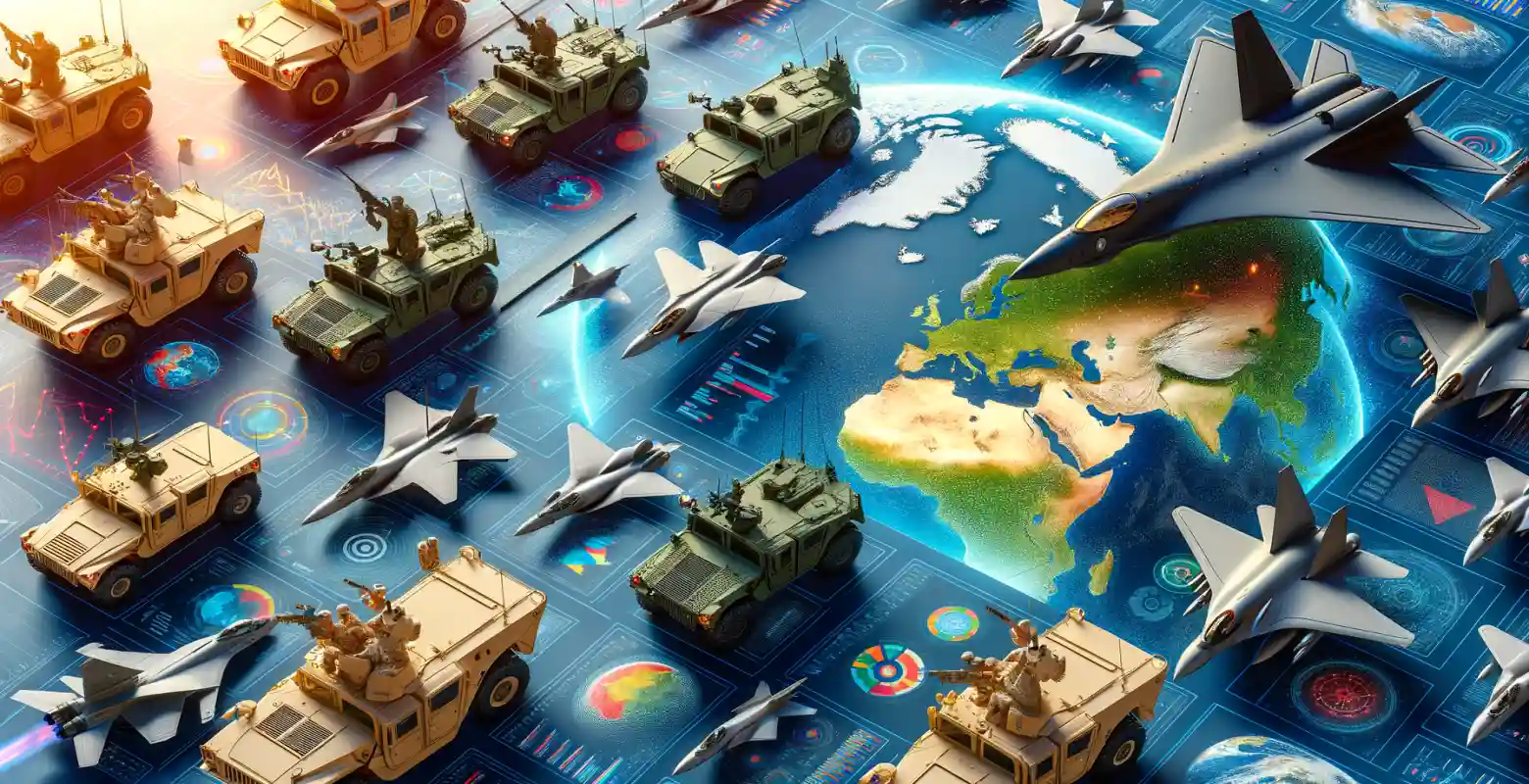
What are the challenges related to modernizing the military fleet?
Introduction
The modernization of military fleets is one of the most important challenges facing contemporary armed forces around the world. It plays a crucial role in ensuring national security and combat readiness. Faced with a rapidly changing geopolitical environment and technological advancements, this modernization is becoming not only a necessity but also a priority for many countries. In this article, we will examine the challenges associated with this process, analyzing both technical and strategic aspects.
Technological Challenges
One of the main challenges associated with the modernization of military fleets is the rapid development of military technology. Contemporary weapons systems are becoming increasingly advanced, requiring armies to constantly adapt to new standards. For example, the integration of unmanned systems, such as drones, requires modern solutions in communication and data management.
Another challenge is cybersecurity. Modern military systems are highly vulnerable to cyber attacks, meaning that fleet modernization must take into account not only the development of offensive technologies but also advanced systems for protection against cyber threats.
Financial Challenges
The modernization of military fleets is associated with significant financial costs. The defense budgets of many countries must be appropriately adjusted to meet growing technological demands. Expenses for the purchase of modern weapons systems and the costs associated with their integration and maintenance can be astronomical.
In many countries, there is also the issue of optimizing expenditures. Governments must make difficult decisions regarding investment priorities, balancing between the need for modernization and other key areas such as education or healthcare.
Logistical Challenges
The modernization of military fleets also involves numerous logistical challenges. This process requires complex coordination between different military units and the private sector. The delivery, installation, and integration of new weapons systems require precise planning and management.
Another issue is logistics related to the maintenance and servicing of modern systems. New technologies often require specialized knowledge and skills, necessitating the training of personnel and the development of appropriate service infrastructure.
Political and Strategic Challenges
The modernization of military fleets also has significant political and strategic implications. Decisions regarding the purchase of new military equipment are often linked to international politics. The choice of suppliers can influence diplomatic relations and a country's position on the international stage.
At the same time, fleet modernization is inherently linked to a country's long-term defense strategy. This requires an analysis of current and future threats and the development of appropriate action plans that will allow for the effective use of newly acquired equipment.
Impact on Workforce
The modernization of military fleets also affects the workforce in the defense sector. New technologies require military personnel to possess modern skills. This entails investing in training and developing the competencies of soldiers and civilian employees in the defense sector.
Similarly, new weapons systems can lead to changes in employment structures. Automation and robotics may reduce the demand for certain roles while increasing the demand for specialists in information and communication technology.
Future Trends in Military Fleet Modernization
In the future, the modernization of military fleets will likely increasingly focus on the integration of artificial intelligence and automation technologies. These advanced technologies will enhance the efficiency and precision of military operations.
Additionally, the development of quantum technologies and advanced materials may have a significant impact on the future of military fleets. New materials could lead to the development of lighter and more durable structures, which in turn could increase the mobility and flexibility of armed forces.
Summary
The modernization of military fleets is an extremely complex process that is associated with numerous challenges, both technological, financial, and logistical. This requires countries to not only make significant financial investments but also engage in precise strategic planning and effective resource management.
However, despite these challenges, the modernization of military fleets is essential in the face of a dynamically changing security environment. Investments in modern technologies and the development of military competencies can provide countries with a strategic advantage and enhance their defensive capabilities.
For readers interested in further exploring the topic, we recommend following the latest trends in military technology and analyzing defense policy at the international level.


Number of comments: 0