

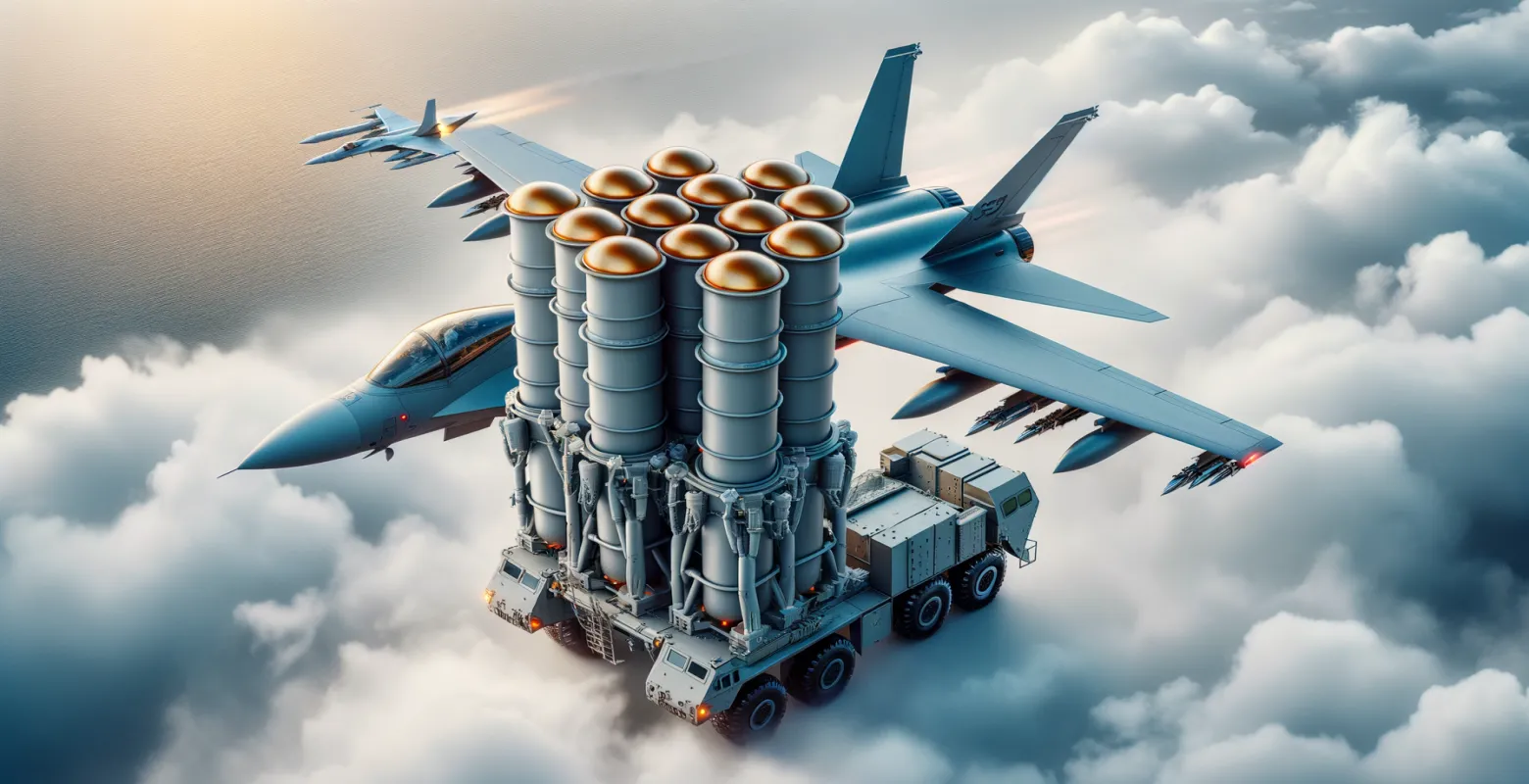
New missile defense systems in military aviation
Introduction
Modern battlefields pose new challenges for armies around the world, one of which is the need to protect against missile threats. Therefore, missile defense systems in military aviation are becoming increasingly advanced and essential. Faced with growing geopolitical tensions and advancing missile technology, defense against air attacks has become a priority for many countries. In this blog, we will take a closer look at new missile defense systems in military aviation, their significance, technology, and future trends that may shape this field.
Significance of New Missile Defense Systems
Missile defense is a key element of national security. Modern missile systems, including ballistic and maneuvering missiles, can carry various payloads, from conventional to nuclear. Therefore, the development of effective missile defense systems is essential for protecting military and civilian infrastructure. New systems in military aviation allow for early detection and neutralization of incoming threats, which is crucial for maintaining strategic advantage.
Historical Background and Technological Development
The history of missile defense dates back to the Cold War era, when the United States and the Soviet Union competed in developing systems capable of shooting down ballistic missiles. Technologies such as radar systems and interceptor missiles were developed at that time. Over the years, this technology has evolved, giving rise to modern systems like THAAD (Terminal High Altitude Area Defense) and Patriot. Currently, technological development focuses on increasing the precision and speed of response of defense systems, which is necessary in the face of increasingly advanced missile threats.
Technical Aspects of Modern Systems
Modern missile defense systems in military aviation utilize advanced technologies, such as AESA radar (Active Electronically Scanned Array), which allows for faster and more accurate threat detection. Additionally, modern fire control systems are used for precise guidance of interceptor missiles to the target. Integration of missile defense systems with other defense systems is also crucial, enabling a coordinated response to threats.
Challenges and Potential Threats
Despite technological advancements, the development of missile defense systems faces numerous challenges. One of them is the need to deal with various types of threats, from ballistic missiles to maneuvering ones. Moreover, these systems must be resilient to electronic interference and cyber attacks. Another challenge is the cost of developing and maintaining advanced defense systems, which poses a significant burden on military budgets.
Benefits of New Technologies
New missile defense systems offer many benefits. Primarily, they enhance the security of countries by enabling effective protection against air attacks. Additionally, the development of defense technologies can contribute to progress in other fields, such as radar technologies and communication systems. Another benefit is the potential for international cooperation in security, allowing for the sharing of technology and experiences to enhance defense against missile threats.
Future of Missile Defense Systems
The future of missile defense systems in military aviation will be dominated by further technological development. We can expect increased automation of threat detection and neutralization processes, as well as integration with artificial intelligence systems. There is also expected development of new technologies, such as directed energy weapons, which may provide an additional layer of defense. In a geopolitical context, the development of missile defense systems will be crucial for maintaining the balance of power and ensuring international security.
Summary
New missile defense systems in military aviation play a crucial role in ensuring national security. Their development is essential in the face of growing missile threats and dynamic geopolitical situations. Thanks to advanced technology, modern defense systems offer effective protection against air attacks, leading to increased stability and international security. In the future, further technological development and international cooperation will be key to ensuring effective defense against missile threats.


Number of comments: 0