

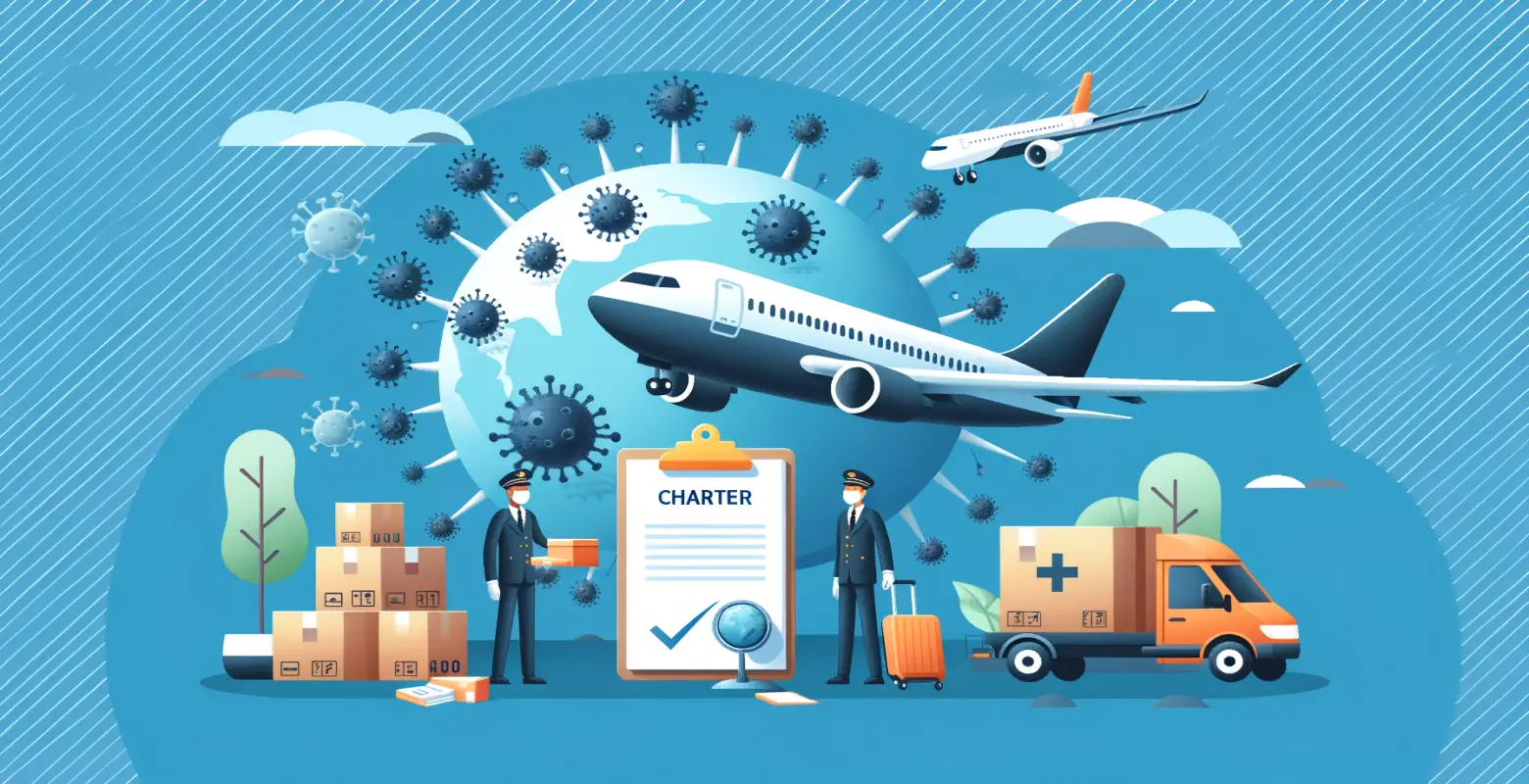
How has the pandemic affected the charter services market?
Introduction
The COVID-19 pandemic has affected many sectors of the economy, and the charter services market was no exception. Faced with global travel restrictions, border closures, and changing public health regulations, the charter industry had to quickly adapt to the new reality. In this article, we will examine how the pandemic has impacted the charter services market, the challenges the industry has faced, and the opportunities that have arisen during this difficult period. This topic is significant as it demonstrates how flexibility and innovation can help survive and thrive even in the most uncertain times.
The Impact of the Pandemic on the Demand and Supply of Charter Services
The COVID-19 pandemic introduced tremendous uncertainty in the travel and tourism market. In the initial phase of the pandemic, the demand for charter services plummeted drastically due to global travel restrictions and border closures. Many planned trips were canceled, and customers avoided all forms of transportation that could increase the risk of infection.
However, as the pandemic progressed, charter services began to attract new customers. Many people started to view charters as a safer alternative to commercial flights, which involved a higher risk of contact with other passengers. As a result, despite the initial decline, the market gradually began to recover, attracting customers looking for more private and flexible travel solutions.
Changes in Customer Preferences
The pandemic has altered the way customers think about travel. There has been an increased interest in smaller, more intimate forms of travel, making charter services more attractive. Customers began seeking opportunities to travel in a closed circle of family or friends, without the need to be in a crowd.
On the other hand, the pandemic also affected the duration and destination of travel. Most trips were local or regional in nature, and customers avoided distant, international destinations due to border closures and uncertainty regarding quarantine regulations. There was also an increased interest in "bleisure" trips (business + leisure), where customers combine business travel with leisure.
Adaptation and Innovations in the Charter Industry
To survive during the challenging period of the pandemic, many charter companies had to introduce innovations and adjust their offerings to meet the changing needs of customers. Implementing flexible booking and cancellation policies became a standard practice aimed at reducing uncertainty and increasing customer trust.
Some companies also began offering additional services, such as COVID-19 testing before flights or special safety measures on board. Providing such services became crucial in attracting customers who prioritized safety.
Technology also played a key role in the industry's adaptation. The use of mobile applications and booking platforms allowed customers to manage their travels more easily and automated, which was particularly important in the context of rapidly changing regulations and restrictions.
Challenges Facing the Charter Industry
Despite many opportunities, the pandemic also presented numerous challenges for the charter industry. One of the major issues was the need to adapt to often-changing regulations regarding international travel, which varied depending on the country. This required charter companies to not only closely cooperate with authorities but also to have the ability to react quickly to changing conditions.
Another challenge was the volatility of demand. In the initial phase of the pandemic, many companies had to reduce their fleets and human resources to adjust to fewer bookings. On the other hand, during periods of increased interest, there was a need to quickly increase service availability, which posed additional logistical challenges.
The Future of the Charter Services Market
Looking ahead, the charter services market seems to be on a good path for further development. The increased interest in private travel, the trend of remote work, and a greater awareness of health and safety may contribute to an increased demand for charter services.
Technological innovations, such as the development of electric aircraft or more environmentally friendly solutions, may further attract customers who are environmentally conscious and seek more sustainable travel options.
However, to fully leverage these opportunities, the industry must remain flexible and ready to adapt to new challenges, such as future pandemics or regulatory changes. It will also be crucial to build customer trust through transparency and further investment in safety.
Summary
The COVID-19 pandemic has had a significant impact on the charter services market, forcing the industry to quickly adapt and innovate. Despite initial difficulties, charter services have proven to be an attractive alternative to traditional forms of travel, and their popularity may continue to grow in the future. For charter companies, it will be crucial to continue adapting to changing customer needs and investing in technology and safety to meet the expectations of modern travelers.
For readers interested in the charter services market, it is worth following the development of trends and innovations that may revolutionize the way we travel in the coming years. The pandemic has shown that flexibility and readiness for change are key to the survival and growth of any industry.



Number of comments: 0