

Trends in air travel post-pandemic - what has changed?
Introduction
The COVID-19 pandemic has had a significant impact on many aspects of our lives, and air travel was no exception. After months of border closures, travel restrictions, and health measures, the aviation industry had to adapt to the new reality. These changes are not only a response to current challenges but also shape the future of air travel for the coming years. In this article, we will look at how the pandemic has affected trends in air travel, what has changed, and what innovations have emerged in the industry.
New safety and hygiene standards
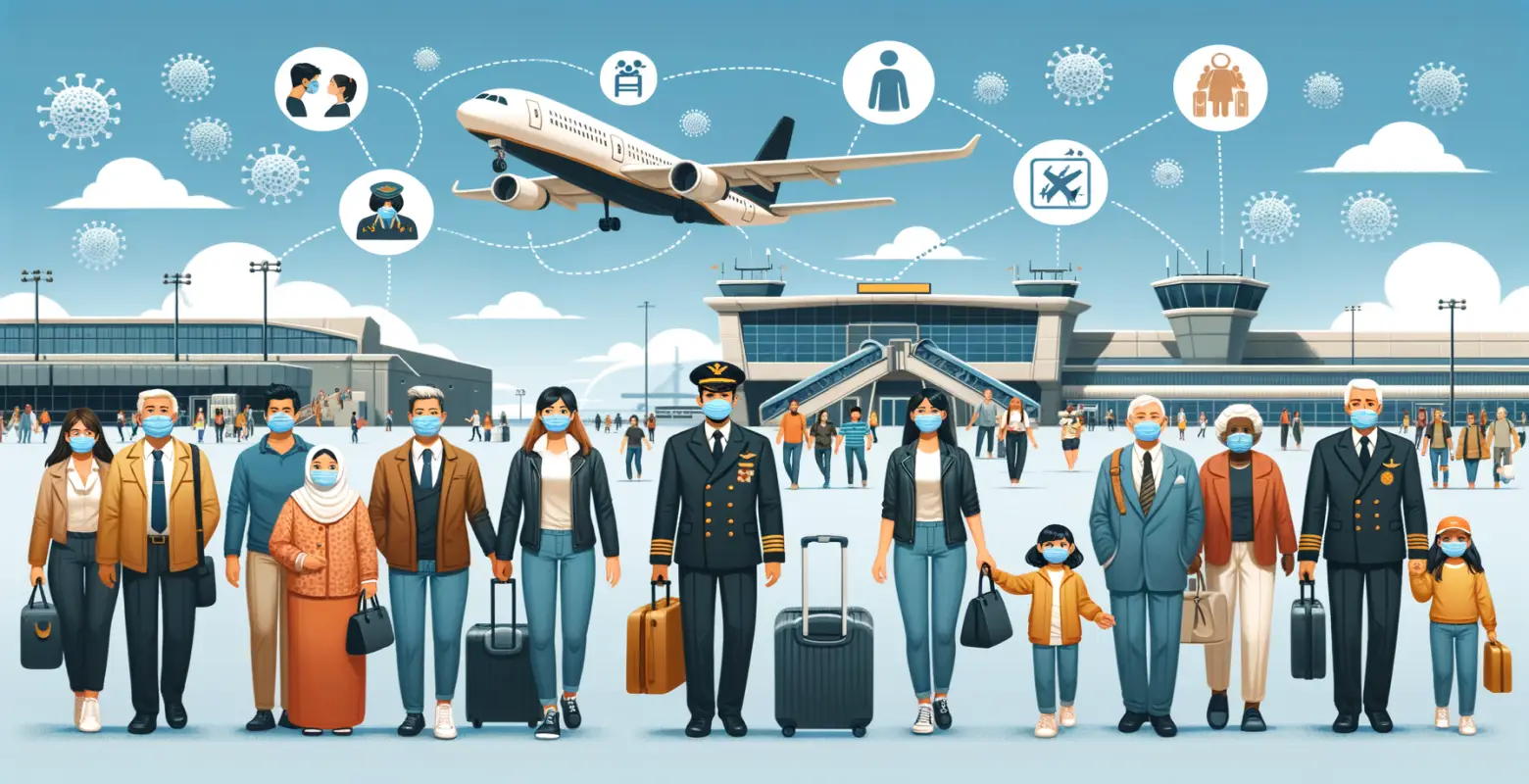
One of the most important aspects that have changed post-pandemic are the safety and hygiene standards at airports and on aircraft. Airlines and airport authorities have implemented a range of measures aimed at minimizing the risk of infections. These include regular disinfections, mandatory mask-wearing, and increased cleaning procedures.
Many airlines have invested in advanced HEPA air filtration systems, which effectively remove most bacteria and viruses from the aircraft cabins. Additionally, touchless technologies have become the norm in processes such as check-in and baggage drop-off, reducing the need for physical contact between passengers and staff.
Changes in check-in and security procedures
Travelers must now prepare for more complex check-in and security procedures. The introduction of digital health passports, such as apps showing vaccination status or COVID-19 test results, has become a standard in many countries. The aim is to ensure that passengers are free from the virus before boarding.
Thermal scanners have also been introduced in some places to detect elevated body temperatures, which may be a symptom of infection. These measures, although time-consuming, are crucial for ensuring the safety of all passengers.
Rise in importance of local and regional travel
The pandemic has also changed our approach to travel destinations. Faced with restrictions and concerns about international travel, many people have started to discover the charms of closer destinations. Local and regional travel has gained popularity, which has also had a positive impact on the development of local tourism economies.
Airlines have adjusted their offerings by increasing the number of domestic and regional flights and offering attractive holiday packages to lesser-known but equally charming locations.
Booking flexibility and refund policies
In response to the uncertainty related to the pandemic, airlines have started offering more flexible booking conditions. Passengers can now more easily change flight dates or receive refunds in case of trip cancellations. Such policies increase customer trust, as they are more willing to plan their trips, knowing they can easily adjust their plans.
Digital technology in air travel
Digital technology plays an increasingly important role in shaping travelers' experiences. Mobile apps, digital boarding passes, and self-service systems are becoming standard. Airlines are investing in the development of apps that allow tracking of luggage, pre-ordering meals onboard, or receiving real-time flight status updates.
Airports are also introducing innovative solutions, such as biometric gates, which speed up check-in and boarding processes while enhancing security.
Sustainable development in the aviation industry
The pandemic has drawn attention to the need for sustainable development in the aviation industry. Airlines are beginning to invest in more environmentally friendly technologies, such as aircraft powered by biofuels or hybrids. Efforts are also being made to reduce carbon dioxide emissions and improve fleet energy efficiency.
Travelers are increasingly aware of the impact of their decisions on the environment, contributing to a growing interest in more sustainable travel options.
New approach to luxury and comfort
The pandemic has also changed passengers' expectations regarding comfort and luxury. There has been increased interest in business and first class, which offer more space and privacy. Airlines have also started introducing amenities such as individual capsules or greater seat spacing to enhance travel comfort.
Many airlines are also introducing new services, such as the ability to pre-order meals before the flight or access on-demand entertainment, allowing passengers to personalize their onboard experience.
Challenges and future trends
The aviation industry faces many challenges, but at the same time, it has the opportunity for innovative development. Introducing new technologies, increasing flexibility, and striving for sustainable development are just some of the areas currently being focused on by airlines.
In the future, we can expect further digitization and greater integration of artificial intelligence technologies in passenger handling processes. The development of passenger drones or electric aircraft could also revolutionize the way we travel.
Summary
The COVID-19 pandemic has brought many changes to air travel that will have a lasting impact on the entire industry. New safety standards, the growing role of digital technology, and sustainable development are just some of the trends shaping the future of aviation. Although the aviation industry faces many challenges, it also has immense potential for innovation and adaptation, which can make air travel safer, more comfortable, and more environmentally friendly.
For travelers, this means new opportunities and experiences, and for the industry, the need for constant adjustment to changing conditions and expectations. As the world slowly returns to normalcy, air travel will play a key role in rebuilding international ties and economic recovery.


Number of comments: 0