

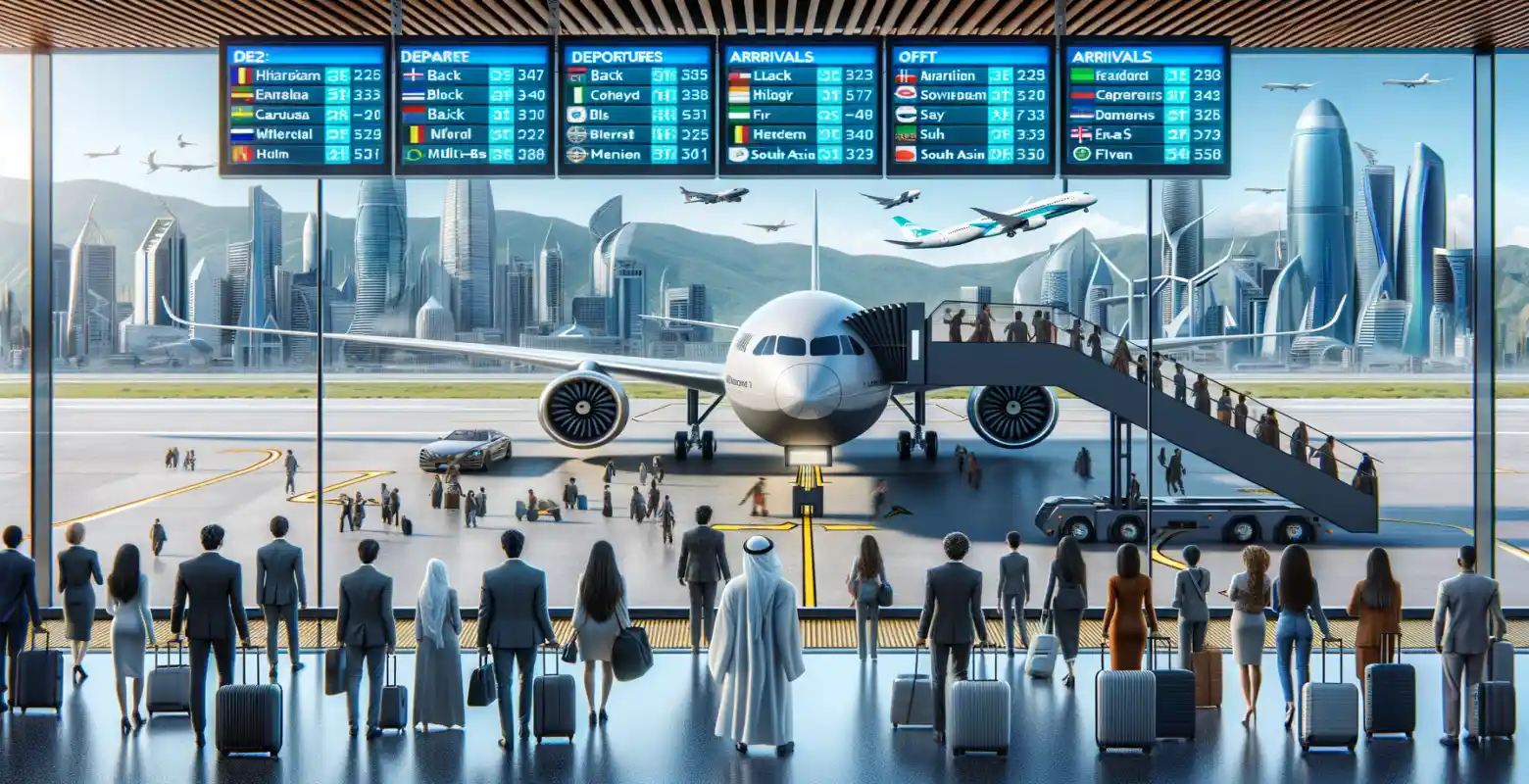
Will hybrid airplanes revolutionize air travel?
Introduction
Air travel has been one of the most important elements of global mobility for decades, enabling people to quickly move over long distances. However, faced with growing issues related to greenhouse gas emissions and environmental pollution, the aviation industry is challenged to reduce its carbon footprint. In this context, innovative solutions emerge, such as hybrid aircraft, which have the potential to revolutionize the way we travel. Do these modern machines have the potential to transform the aviation industry and make it more sustainable? In this article, we will explore the benefits and challenges of hybrid aircraft and how they can impact the future of air travel.
What are hybrid aircraft?
Hybrid aircraft are air vehicles that combine traditional internal combustion engines with electric propulsion. Similar to hybrid cars, this combination aims to increase energy efficiency and reduce the emission of harmful substances into the atmosphere. In practice, these aircraft can use electric engines for quieter and more environmentally-friendly takeoffs and landings, while internal combustion engines are used for long-distance flight.
Historical background and technological development
The idea of using electric propulsion in aviation is not new. The first attempts to build aircraft with electric propulsion date back to the 1970s, but only advancements in battery technology and composite materials have allowed for serious consideration of hybrid solutions in commercial aviation. Major aviation companies and start-ups, such as Airbus, Boeing, and Zunum Aero, actively invest in the development of hybrid aviation technologies.
Advantages of hybrid aircraft
CO2 emissions reduction: One of the biggest advantages of hybrid aircraft is their potential to significantly reduce carbon dioxide emissions. By utilizing electric propulsion, these aircraft can operate more ecologically, especially during takeoff and landing, which are the most energy-intensive phases of flight.
Reduced noise levels: Electric propulsion is much quieter than traditional jet engines, which can contribute to reducing noise around airports. This is particularly important in densely populated areas where aircraft noise is a serious issue for residents.
Fuel savings: Due to better energy efficiency, hybrid aircraft can consume less fuel, resulting in lower operational costs for airlines. In the long run, this can lead to cheaper tickets for passengers.
Challenges facing hybrid aircraft
Battery technology: One of the biggest challenges for the development of hybrid aircraft is the current state of battery technology. Batteries need to be lightweight enough not to overly burden the aircraft, yet sufficiently capacious to provide an adequate amount of energy. Currently available batteries still do not meet all the requirements for commercial flights on a large scale.
Airport infrastructure: Introducing hybrid aircraft also requires changes in airport infrastructure. New solutions for battery charging and the adaptation of existing aircraft handling systems will be necessary, which may involve significant investment costs.
Regulations and certification: Another challenge is legal regulations and the certification process for new aviation technologies, which can be time-consuming and costly. Aviation is a highly regulated sector, and introducing new solutions requires meeting strict safety standards.
The future of hybrid aircraft
Despite the challenges, the prospects for hybrid aircraft are promising. Over the coming decades, we can expect further development of battery technology, enabling the construction of more efficient and environmentally-friendly aircraft. Additionally, increasing pressure from governments and international organizations to reduce greenhouse gas emissions may accelerate the adoption of hybrid solutions in the aviation industry.
Summary
Hybrid aircraft have the potential to revolutionize air travel, making it more sustainable and environmentally friendly. While there are still some challenges ahead for the technology, such as battery development and infrastructure adaptation, the benefits of reducing CO2 emissions, noise reduction, and fuel savings are significant. With technological advancements and increasing ecological awareness, we can expect hybrid aircraft to become a key element of the future of aviation. For passengers, this means not only more eco-friendly travel but potentially lower ticket costs. In this situation, it is worth following the development of this technology and supporting initiatives aimed at its widespread implementation.



Number of comments: 0