

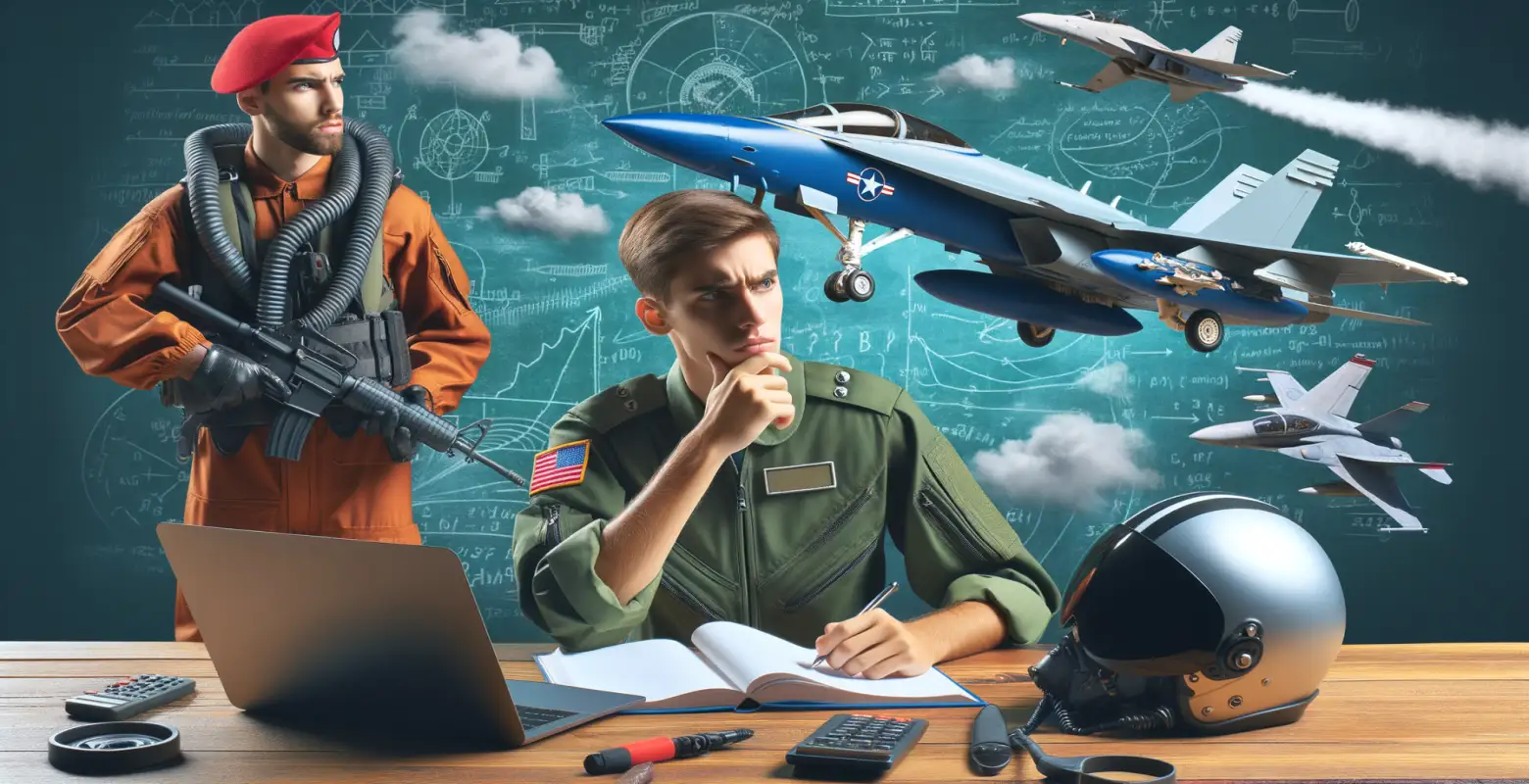
What are the biggest challenges in training military pilots?
Introduction
Military pilot training is one of the most demanding and crucial elements of defense preparations for any country. In the face of dynamically changing geopolitical and technological environments, the ability to effectively train pilots becomes increasingly important. This article aims to outline the challenges facing this process and how modern solutions can help overcome them. Understanding these issues is crucial for both military personnel and the general public who benefit from the security provided by the armed forces.
Technological Challenges in Pilot Training
Modern military aircraft are technologically advanced machines that require pilots to possess not only manual skills but also advanced technical knowledge. Modern avionics and weapon systems are complex, requiring pilots to be able to quickly assimilate knowledge and operate sophisticated computer systems. Additionally, the development of stealth technology and drones necessitates pilots to adapt to new ways of conducting combat operations.
Integrating new technologies into pilot training is also a challenge due to costs. Flight simulators, which are essential for training, must be regularly updated to reflect changing technologies. The high costs of maintaining and modernizing these simulators can pose a significant burden on the military budget.
Psychological and Physical Demands
Military pilot training requires not only technical skills but also exceptional mental and physical resilience. Pilots must cope with extreme stress conditions associated with combat missions and intensive training. The ability to make quick and accurate decisions in critical situations is crucial. Therefore, the pilot candidate selection process includes rigorous psychological and physical tests.
Challenges related to psychological stress can lead to professional burnout and even health problems, such as PTSD (Post-Traumatic Stress Disorder). Therefore, increasing emphasis is placed on psychological support and stress management among pilots.
Logistical and Organizational Challenges
Military pilot training is a complex logistical process that requires coordination of multiple resources and units. From planning training missions, managing a fleet of training aircraft, to ensuring the availability of instructors - all these elements must be efficiently organized. Changes in schedules, equipment failures, or staffing shortages can lead to delays in the training process.
Introducing new aircraft into the fleet requires training for both pilots and ground personnel, further complicating the logistical process. Therefore, effective resource management and the implementation of modern organizational solutions are key elements.
History and Development of Military Pilot Training
The history of military pilot training dates back to the early days of military aviation. Over the years, this process has evolved with the development of technology and changing requirements for conducting combat operations. During World War II, pilot training was intensive and often accelerated due to the enormous demand for qualified pilots.
Modern military pilot training is the result of years of experience and research. The introduction of flight simulators, advanced training techniques, and modern teaching methods has significantly increased training effectiveness. However, the development of new technologies and changing operational requirements continue to pose challenges for training centers worldwide.
The Future of Military Pilot Training
Looking ahead, military pilot training will need to adapt to new challenges associated with the dynamic development of technology. Remotely piloted aircraft will play an increasingly important role, which may impact the traditional role of pilots. Virtual reality and artificial intelligence are already beginning to play a crucial role in the training process, offering realistic training scenarios and personalized learning programs.
However, regardless of technological progress, the key element will remain preparing pilots to make decisions in complex and unpredictable situations. Therefore, the future of military training will require a combination of modern technologies and traditional teaching methods to ensure full preparation of pilots for all possible challenges.
Summary
Military pilot training is an extremely complex and demanding process, both technically and psychologically. Technological advancements, operational requirements, and the need to adapt to changing geopolitical conditions present many challenges for this process. However, thanks to continuous progress in training technology and a growing understanding of the psychological aspects of the pilot profession, it is possible to meet these challenges.
It is important to continuously invest in the development of modern training methods and psychological support for pilots. This will not only ensure the safety and effectiveness of military operations but also protect the health and well-being of those serving on the front lines of defending our country.

Number of comments: 0