

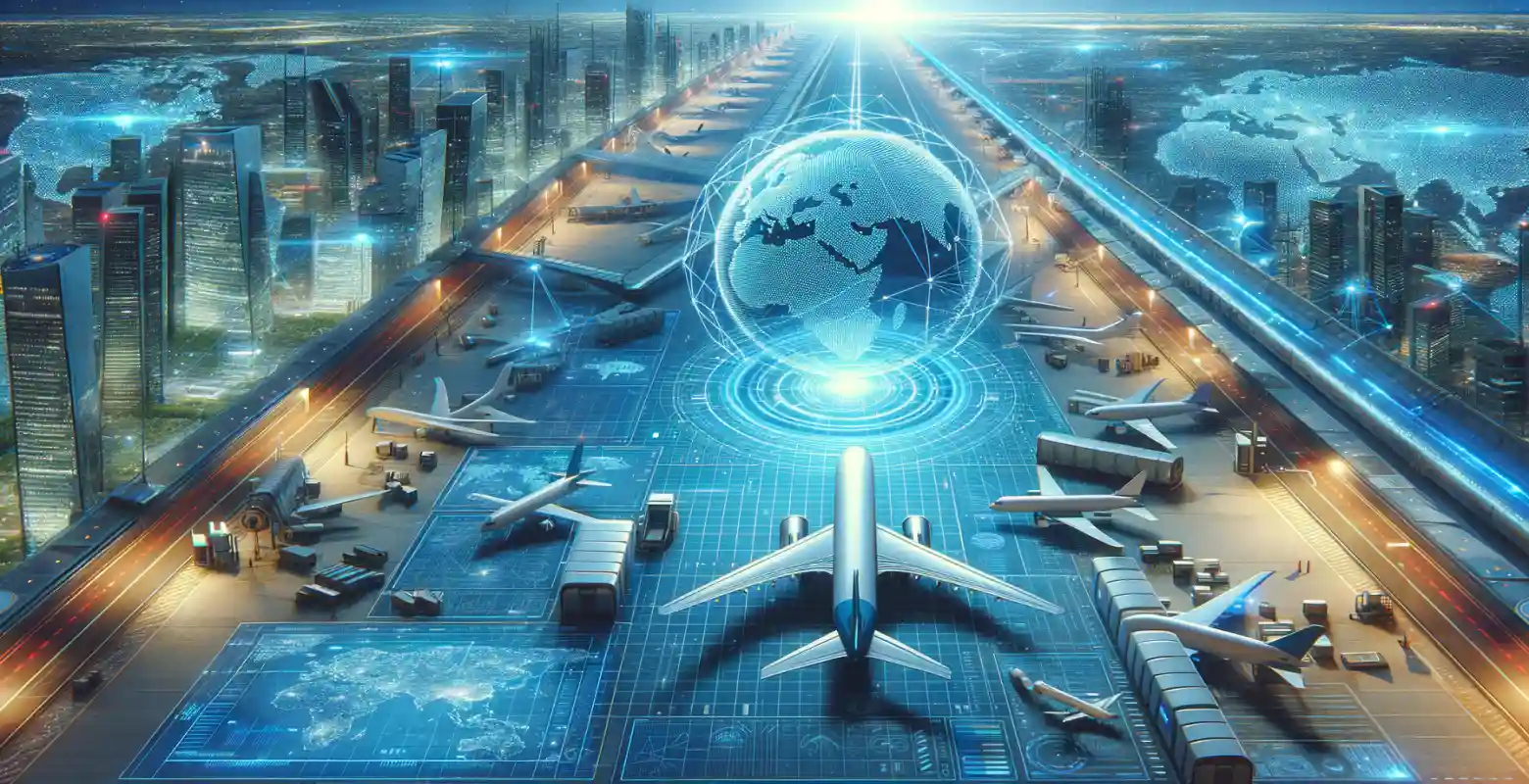
The future of airports in the age of digitization
Introduction
In the era of digitization, many sectors of the economy are undergoing profound changes, and airports are no exception. Since their inception, airports have evolved from simple take-off and landing locations for aircraft to complex transportation and commercial hubs. The current era of digitization, however, brings new challenges and opportunities that can revolutionize the way airports operate. In this article, we will examine the changes awaiting airports in the future, the technologies that have the potential to emerge, and the benefits and challenges that will accompany them. This topic is extremely relevant because the growing demands of travelers, as well as the need to increase efficiency and security, are forcing airports to adapt in a modern, rapidly changing world.
Digitization of Airports: History and Present
The history of airport digitization dates back to the 1960s when computerized air traffic management systems were first introduced. Since then, technology has gradually permeated various aspects of airport operations, from ticket reservations to baggage handling. Today, digitization at airports encompasses advanced management systems that integrate multiple operations, such as traffic control, security, passenger services, and logistics.
Automated Check-in and Security Control: Automated check-in kiosks, biometric gates, and security scanners are just some of the solutions that are already widely used at airports. They facilitate the passenger check-in process, reduce waiting times, and increase throughput.
Modern Technologies at Airports
As technology advances at a staggering pace, airports are beginning to implement innovative solutions aimed at improving passenger experiences and optimizing operations.
Biometrics and Contactless Identification: The growing interest in biometric technologies, such as facial recognition and iris scanning, is becoming increasingly noticeable. Such solutions can not only expedite the check-in process but also enhance security by eliminating the need for traditional forms of identification.
Internet of Things (IoT) and Data Analytics: IoT sensors can monitor various aspects of airport operations, from tracking luggage to ground operations control. The collected data can be analyzed in real-time, allowing for quicker decision-making and better resource management.
Benefits of Digitization at Airports
The future of airports in the age of digitization brings many benefits for both travelers and airport operators.
Enhanced Convenience and Personalization: Thanks to technology, travelers can enjoy a more personalized experience. Mobile applications provide access to flight information, guidance on navigating the airport, and even the ability to order food on board the aircraft.
Operational Efficiency: Automating processes such as baggage handling and security control reduces operational costs and enables better resource utilization. This allows airports to handle a greater number of passengers with fewer expenses.
Challenges Associated with Digitization
Despite numerous benefits, the digitization of airports also presents certain challenges that require attention.
Data Security: The intensive use of digital technologies raises questions about the security of passengers' personal data. Protection against cyber attacks becomes a priority, and airports must invest in advanced security systems to safeguard sensitive information.
Investments and Costs: Introducing modern technologies requires significant financial investments in infrastructure and employee training. For some airports, especially smaller ones, this may pose a significant challenge.
Future Trends in Airport Digitization
Airports are constantly seeking new technologies that can improve their operations and enhance travel comfort. Several future trends deserve special attention.
Augmented Reality (AR) and Virtual Reality (VR): These technologies can be used to improve passenger orientation at airports, offering interactive maps or virtual guides that lead users to their gates or service points.
Artificial Intelligence and Machine Learning: AI can support air traffic management, weather forecasting, and increase the efficiency of ground operations. Learning algorithms can also assist in analyzing passenger data to predict their needs and offer more personalized services.
Summary
The future of airports in the age of digitization is full of promises and opportunities, but also challenges that must be properly addressed. Implementing advanced technologies can significantly improve the quality of passenger service, increase operational efficiency, and enhance security. However, to fully harness the potential of digitization, airports must focus on data protection, infrastructure investments, and continuous technology improvement. As the world becomes increasingly globalized, the role of airports as key transportation hubs will grow, and their ability to adapt to modern technological trends will be a decisive factor in success. For travelers, this means smoother, safer, and more personalized experiences, which will certainly contribute to enhancing the comfort of travel.



Number of comments: 0