

What are the possibilities for professional development in the aviation industry?
Introduction
The aviation industry plays a crucial role in the global economy, connecting people and goods worldwide. Technological advancements, increasing demand for air transportation, and innovations in sustainable development make this sector offer many career opportunities. Understanding potential career paths in the aviation industry is important for both new employees and those who already have some experience in this field. In this article, we will explore various career development opportunities in aviation, discussing both traditional roles and new trends shaping the future of this industry.
Traditional Career Paths in the Aviation Industry
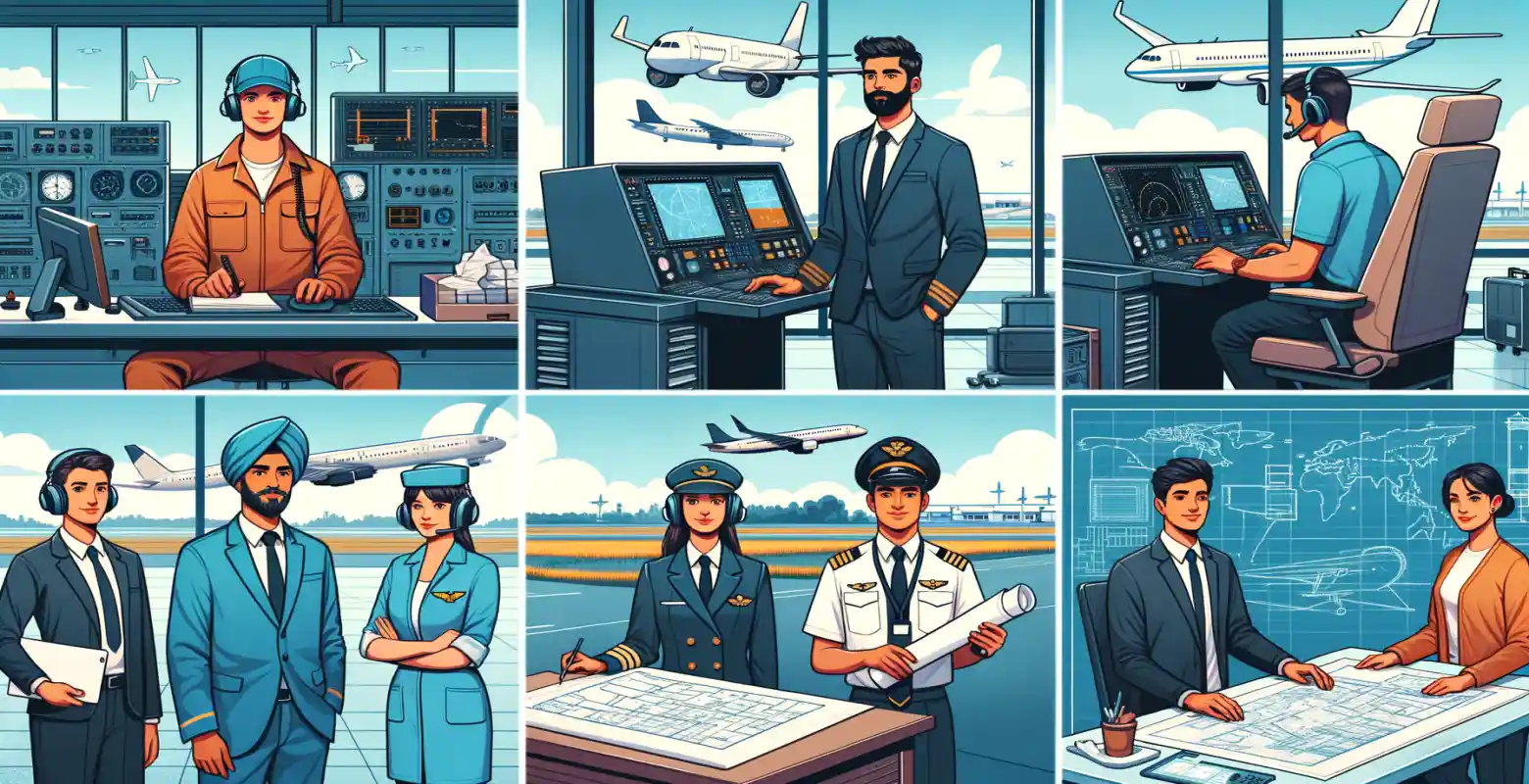
The aviation industry has long offered a range of traditional roles that are the foundation of its operation. One of the most well-known career paths is being a pilot. Pilots are key to the operational functioning of airlines and commercial flights. To become a pilot, obtaining the necessary licenses and aviation experience is essential. Another significant role is that of an aircraft engineer, who is involved in designing, testing, and maintaining aircraft. These engineers must possess advanced technical knowledge and analytical skills.
Ground handling, including air traffic control and airport personnel, also plays an equally important role. Air traffic controllers are responsible for the safety and efficiency of air operations, while airport personnel manage daily passenger and logistics operations. Each of these roles requires specific skills and qualifications but also offers job stability and career development opportunities.
New Trends and Innovations in Aviation
The modern aviation industry is undergoing dynamic changes driven by technological innovations and social changes. One of the most important trends is the development of unmanned aviation, or drones. The use of drones is growing in various sectors, from delivery and logistics to agriculture and infrastructure inspections. Specializing in drone handling and programming can be an attractive career path for individuals interested in technology and new solutions.
At the same time, the importance of sustainable development in aviation is growing. Airlines and aircraft manufacturers are investing in technologies that reduce emissions and fuel consumption. Engineers and environmental specialists have the opportunity to engage in projects related to eco-friendly innovations, opening new career opportunities in research and development.
Education and Training in the Aviation Industry
To effectively advance in the aviation industry, acquiring the right education and qualifications is often necessary. Universities and aviation schools offer a wide range of study programs, from aeronautics to aviation management. Certificates and professional development courses, such as pilot licenses or technical certifications, are essential for confirming professional skills.
It is also worth noting internship programs and practical training, which enable gaining practical experience and expanding professional networks. Collaborating with experienced professionals through such programs can open doors to further career opportunities.
Challenges in the Aviation Industry
Like any industry, aviation has its challenges that can impact career paths. One of them is the rapid technological advancement, which requires continuous learning and adaptation to changing trends. Employees must be prepared to learn new skills and develop their technological competencies.
Another challenge is the volatility of the aviation market, which can affect job stability. Factors such as political changes, economic crises, or pandemics can cause fluctuations in demand for air services, which in turn affects employment in the industry.
Benefits of Working in the Aviation Industry
Despite challenges, working in aviation offers many benefits. It is a dynamic and innovative industry that allows for development in an international environment. Aviation professionals often have the opportunity to travel and work in diverse cultures, which is attractive to many people.
Additionally, the aviation industry often provides competitive salaries and benefit packages, making it financially attractive. The opportunity to participate in advanced technological projects and contribute to the development of global transportation is also a significant motivating factor for many professionals.
Future Prospects in Aviation
The future of the aviation industry looks promising, with many new opportunities for professionals. Technological developments, such as electric or autonomous aircraft, have the potential to revolutionize air transportation and create new career paths. Furthermore, the growing importance of space exploration and the development of commercial space flights open new horizons for engineers and scientists.
Another area of development is the digitization of aviation operations and the use of artificial intelligence, which can increase the efficiency and safety of flights. Data specialists and software engineers have the chance to participate in these groundbreaking changes.
Summary
The aviation industry offers a wide range of career development opportunities in many different fields. From traditional roles such as pilots and engineers to new specializations in drones and sustainable development, there is a suitable career path for everyone. Despite certain challenges, such as rapid technological advancement and market volatility, working in aviation provides a dynamic and rewarding professional environment. The future prospects are promising, with innovations that can change the face of air transportation worldwide. For individuals interested in technology, travel, and international collaboration, the aviation industry offers an attractive and exciting career development option.



Number of comments: 0