

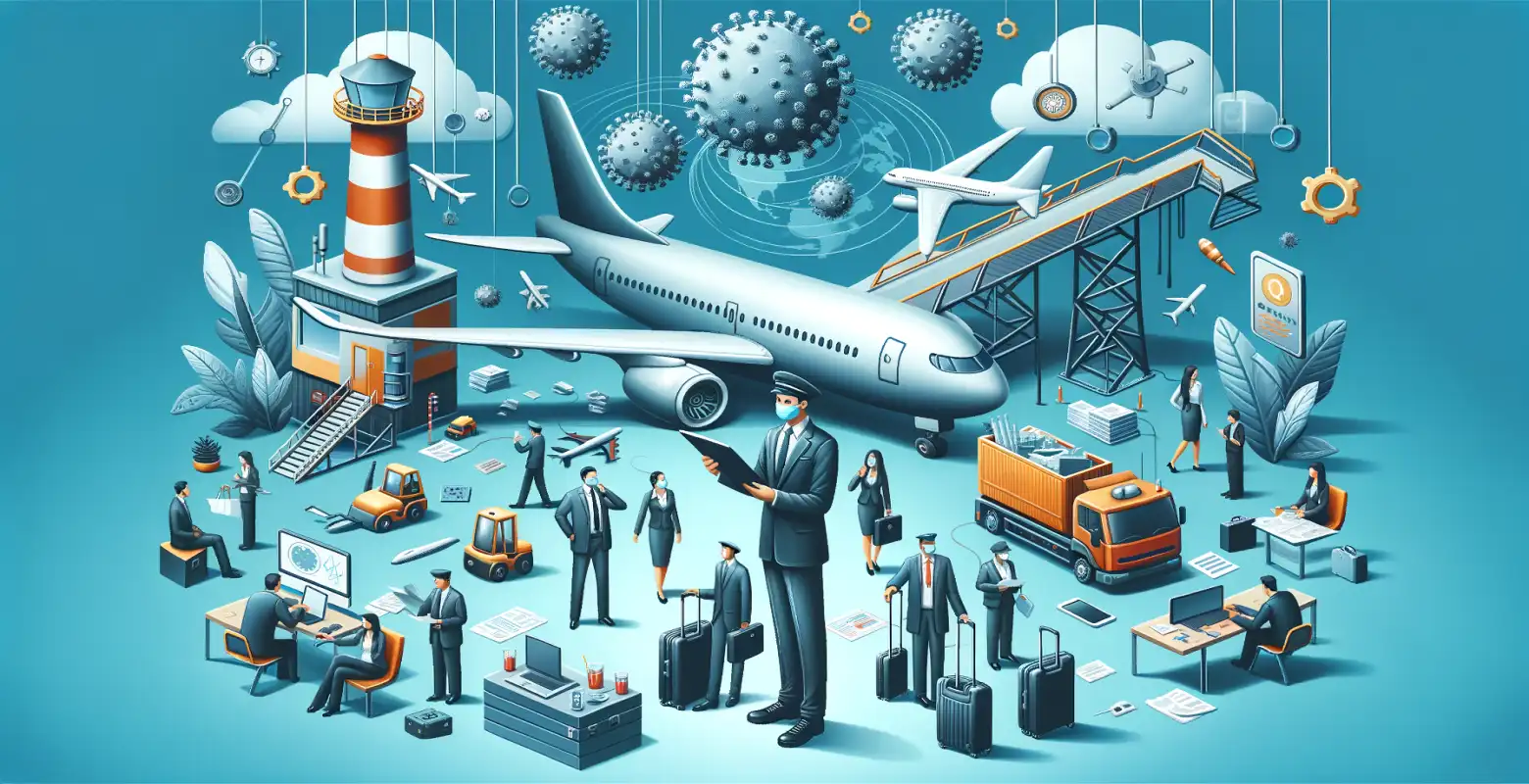
What changes are awaiting the aviation industry after the pandemic?
Introduction
The COVID-19 pandemic has shaken almost every industry worldwide, and aviation has been one of the most affected sectors. Border closures, sanitary-epidemiological restrictions, and changing travel habits have led to a drastic decrease in the number of passengers and flights. Now, as the world slowly emerges from the pandemic, the aviation industry faces new challenges and opportunities for recovery. In this post, we will discuss in detail the changes awaiting aviation after the pandemic, the trends that will shape the future of air travel, and the innovations that may emerge in the coming years.
Changes in demand and supply structure
The pandemic has significantly altered the demand structure for flights. The decrease in the number of business trips, which have been a key segment of the market for years, has affected airlines, forcing them to adapt to new realities. The growing popularity of remote work has led many companies to limit business travel, replacing it with online meetings.
In response to these changes, airlines are focusing on attracting leisure travelers, offering more flexible booking conditions and attractive pricing. Additionally, domestic and regional flights are gaining increasing importance in response to the growing interest in local tourism.
Technological innovations
Technology plays a crucial role in the transformation of the aviation industry post-pandemic. Automation of processes, the implementation of artificial intelligence, and the development of contactless technologies are just some of the directions of change.
Automating passenger and baggage check-in, facial recognition systems, and mobile applications for managing the entire journey are solutions that are gaining popularity. In the future, we can also expect a wider use of drones for cargo transportation, which will expedite and reduce logistical costs.
Changes in business models
Airlines must adapt their business models to changing market conditions. Many of them are focusing on reducing operational costs and optimizing their fleet. Introducing more efficient and environmentally friendly aircraft, such as the Airbus A320neo or Boeing 737 MAX, allows for reduced fuel consumption and CO2 emissions.
Equally important is diversifying revenue sources. In addition to ticket sales, airlines are investing in additional services such as cargo or loyalty programs. The growing importance of air cargo transport, especially in the context of e-commerce, is a significant part of many carriers' strategies.
Sustainable development and ecology
One of the most important challenges for the aviation industry post-pandemic is sustainable development. Societal expectations for reducing the carbon footprint are increasing, and airlines must meet these requirements.
Developing biofuels, investing in electric and hybrid aircraft, as well as optimizing flight routes are key elements of ecological strategies. International organizations such as IATA are advocating for more stringent regulations on emissions, which may impact the future shaping of the market.
Safety and health
The COVID-19 pandemic has highlighted the importance of health safety in air travel. Introducing new sanitary standards, such as regular disinfection of aircraft and mandatory mask-wearing, has become the norm.
In the future, further technological developments can be expected to enhance passengers' sense of security, such as HEPA air filtration systems or health monitoring of passengers using mobile applications. The increasing significance of digital health passports may also influence the way we travel.
New travel trends
Post-pandemic travelers prioritize flexibility and safety. The increasing popularity of vacation home rentals, road trips, and local tourism are just some of the new trends.
In response to these expectations, airlines and airports must adapt their offerings, for example, by developing services that facilitate family travel or short weekend getaways. Service personalization, enabling the customization of offerings to individual customer needs, is becoming a key element of marketing strategies.
Summary
The aviation industry post-pandemic faces many challenges, but also opportunities for development and innovation. Adapting to changing market conditions, investing in technologies, and striving for sustainable development are key elements that will shape the future of aviation.
Although the full operational capacity recovery may take several years, flexibility and innovation will enable the aviation industry to meet new customer requirements and expectations. As the world increasingly opens up to travel, the future of aviation seems full of possibilities that can benefit both passengers and the global economy as a whole.



Number of comments: 0