

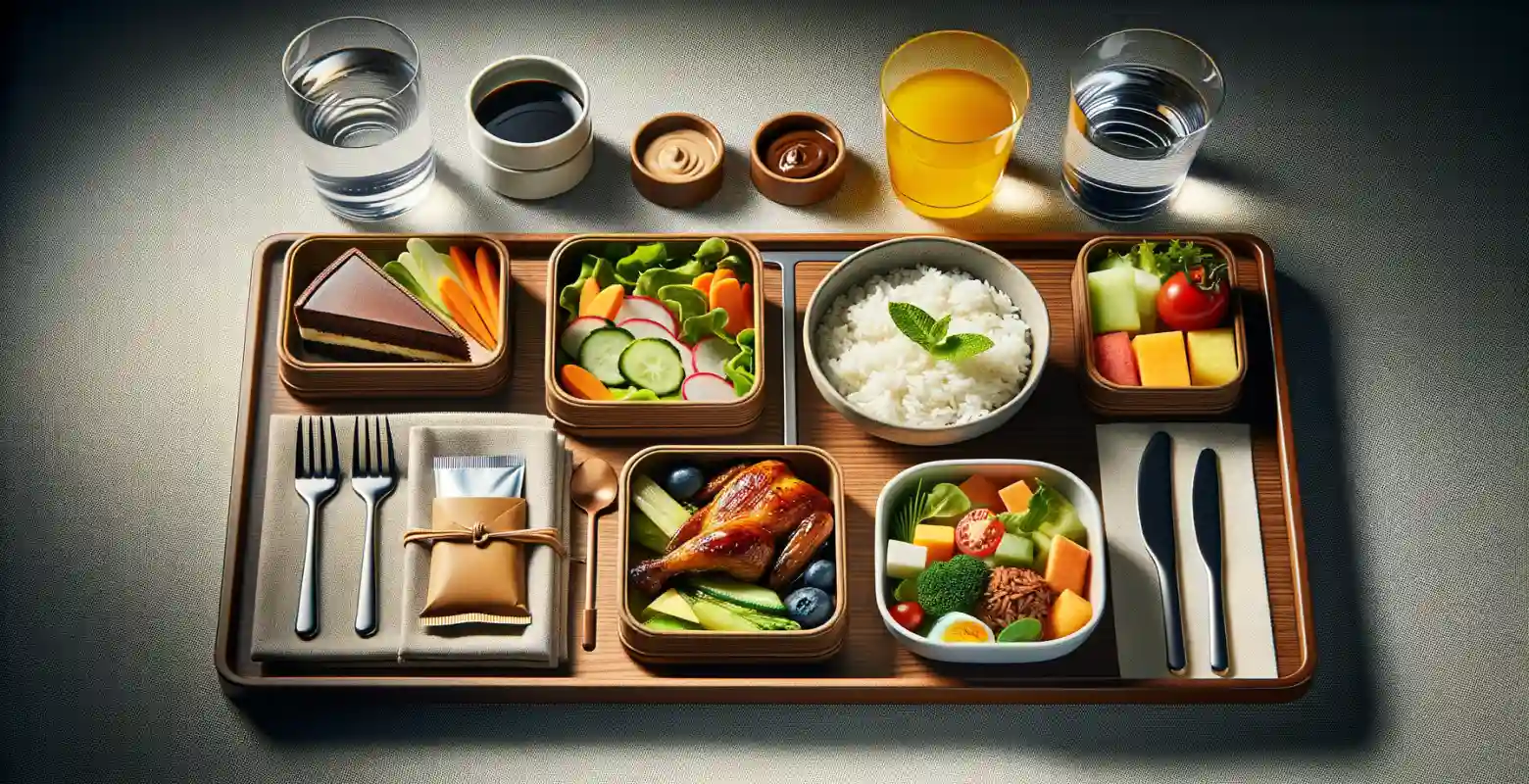
What should you know about eating on board?
Introduction
Food on board an airplane is a topic that evokes many emotions and interest. For many passengers, the meal served during a flight is an important element of the journey, affecting the overall travel experience. In the era of globalization and increasing numbers of international flights, understanding what is worth knowing about eating on board is becoming increasingly important. In this article, we will examine various aspects related to in-flight meals, their evolution, the challenges they pose to airlines, and the future of this sector.
History and Evolution of In-Flight Dining
Serving meals on board an airplane has a long history. The first passenger flights that took place in the early 20th century offered only basic snacks. As aviation technology advanced and flights became longer, airlines introduced more elaborate meals.
In the 1950s and 1960s, in-flight dining was a symbol of luxury. Airlines competed with each other by offering exquisite dishes prepared by renowned chefs. However, with the increasing availability of air travel and growing cost pressures, the quality of meals began to change.
Today, airlines offer a variety of meals tailored to the length of the flight, class of travel, and passengers' dietary preferences. The health and environmental aspects of the dishes served are also becoming increasingly important.
The Process of Preparing Meals on Board
Preparing meals on board an aircraft is a complex logistical process. It all starts with choosing a menu that must be adapted to the specifics of the flight, the region where the airline operates, and the preferences of its passengers. Airlines collaborate with specialized catering companies responsible for preparing and delivering meals.
One of the biggest challenges is ensuring the freshness and quality of the meals. Meals are prepared in advance and then stored under appropriate conditions to maintain their taste and nutritional value. Onboard the aircraft, they are heated and served to passengers.
Airlines must also accommodate their passengers' various diets and food allergies. Therefore, they increasingly offer the option to pre-order meals tailored to individual needs.
Challenges and Limitations of In-Flight Dining
Eating on board is associated with many challenges. One of the main challenges is the limited space and equipment available on the aircraft. The onboard kitchen must be compact yet functional, requiring innovative technological solutions.
Another challenge is the cultural diversity of passengers. Airlines must consider different culinary tastes and dietary restrictions stemming from religious and cultural backgrounds. This necessitates offering a wide range of menu options.
The taste of in-flight food is also influenced by the reduced air pressure and humidity in the cabin, which affects how our taste buds function. Therefore, meals must be prepared with a greater emphasis on flavor intensity.
Advantages of In-Flight Meals
One of the main advantages of in-flight meals is convenience. For many passengers, the ability to eat a meal during a flight is a significant convenience, saving time and avoiding the search for restaurants upon arrival.
For airlines, offering meals on board is also a way to build brand image and passenger loyalty. High-quality food can be a differentiating factor for a particular airline, attracting customers and setting it apart from the competition.
The Future of In-Flight Dining
In the face of growing environmental and health awareness among passengers, the future of in-flight dining is heading towards greater personalization and sustainable development. Airlines are increasingly investing in solutions to reduce food waste and in alternative, more eco-friendly packaging.
The rising popularity of vegetarian and vegan diets means that airlines are expanding their menus with such options. In the future, we can expect even greater diversity and flexibility in the meals offered, tailored to the individual needs and preferences of passengers.
Summary
Eating on board is a complex and multi-faceted topic. From the history and evolution of in-flight meals, through the process of their preparation, to the challenges and advantages, dining on board is an integral part of the air travel experience. As passenger expectations change and environmental awareness grows, airlines must adapt their offerings to meet these demands.
Understanding these aspects allows passengers to better prepare for their journey and enjoy the meals served on board. For airlines, it is an opportunity to build lasting relationships with customers and create a positive brand image.




Number of comments: 0