

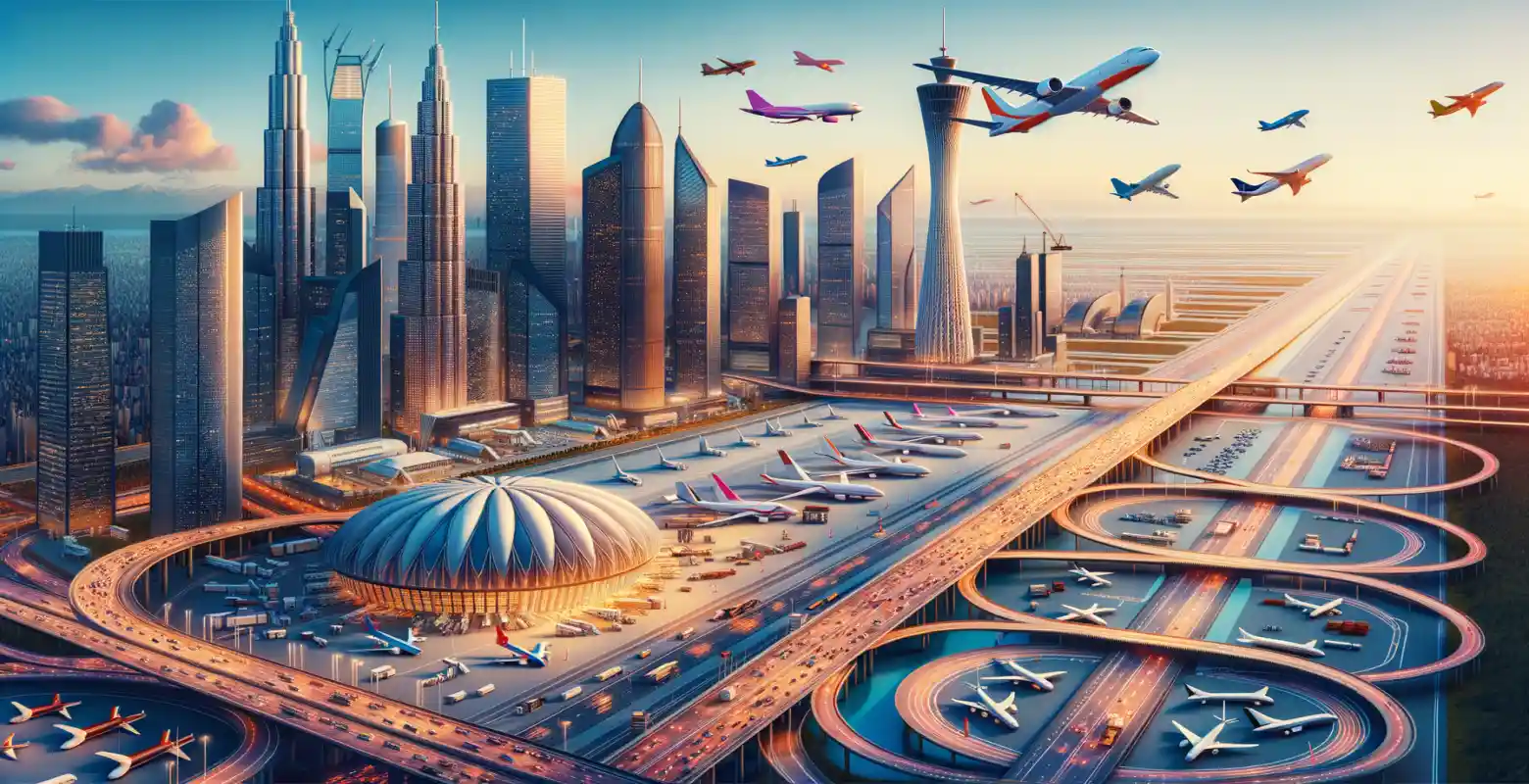
What investments are planned at the largest airports in Europe?
Introduction
Airports are key transportation hubs that connect people and goods around the world. In Europe, where airports serve millions of passengers annually, investments in aviation infrastructure are essential to ensure operational fluidity and increase capacity. In this article, we will look at planned investments at the largest airports in Europe, understand their significance for the region, and analyze the benefits and challenges they may bring.
Airport Expansion: Key Investment Projects
Heathrow Airport in London is one of the busiest airports in the world. The planned expansion of the third runway is one of the most important projects in the airport's history. The new infrastructure aims to increase capacity, allowing for the handling of an additional 700 aircraft per day. This investment, estimated at £14 billion, is seen as crucial for maintaining London's competitiveness as a global aviation center.
Charles de Gaulle Airport in Paris is also planning significant investments. The modernization involves the construction of a fourth terminal, which is expected to increase passenger capacity by 40 million passengers annually. This project is part of a larger strategy aimed at strengthening Paris's position as one of the main aviation hubs in Europe.
Schiphol Airport in Amsterdam is focusing on sustainable development. Planned investments include the construction of a new terminal and the expansion of airport infrastructure in an environmentally friendly manner. The goal is not only to increase capacity but also to reduce CO2 emissions. Schiphol aims to achieve carbon neutrality by 2050.
Technology and Innovation at Airports
With growing passenger demands and technological advancements, European airports are investing in modern technological solutions. Frankfurt Airport is leading a project to implement advanced automation systems, such as intelligent biometric gates, to expedite the passenger check-in process. Additionally, investments in Internet of Things (IoT) technologies help optimize air traffic management and infrastructure.
Barajas Airport in Madrid is innovating in baggage management. Modern real-time baggage tracking systems aim to minimize the number of lost bags and improve passenger experience. These technologies not only increase operational efficiency but also enhance customer satisfaction.
Challenges Associated with Airport Investments
Investments in airport infrastructure, while bringing many benefits, also come with numerous challenges. Heathrow Airport faces resistance from local communities concerned about the impact of expansion on the environment. Increased noise emissions and pollution are major issues that require solutions such as advanced noise reduction technologies and more environmentally friendly aviation practices.
Berlin Brandenburg Airport is an example of how delays and management issues can affect the completion of large projects. Multiple delays in the opening date and budget overruns serve as a lesson for other airports on the importance of effective planning and project supervision.
The Future of Investments at European Airports
Looking ahead, investments at European airports will focus on sustainable development and modern technologies. Faced with increasing environmental awareness, airports will need to strike a balance between development and environmental protection. Investments in renewable energy sources and eco-friendly technologies are becoming a priority.
The increasing digitization and automation of airport processes will also play a crucial role. Intelligent air traffic management systems, enhanced security through biometric technology, and the development of infrastructure to accommodate modern aircraft are just some of the directions that will shape the future of airports.
Summary
Investments in Europe's largest airports are crucial for the region's economic development and improving passenger service quality. These investments not only increase capacity but also introduce modern technologies and solutions that enhance operational efficiency and reduce environmental impact. However, the implementation of these projects requires overcoming numerous challenges, both technical and social. Contemporary airports must strive for sustainable development to meet the demands of the future. For passengers, this means better travel experiences, and for local communities, greater economic benefits while minimizing negative environmental impact.



Number of comments: 0