

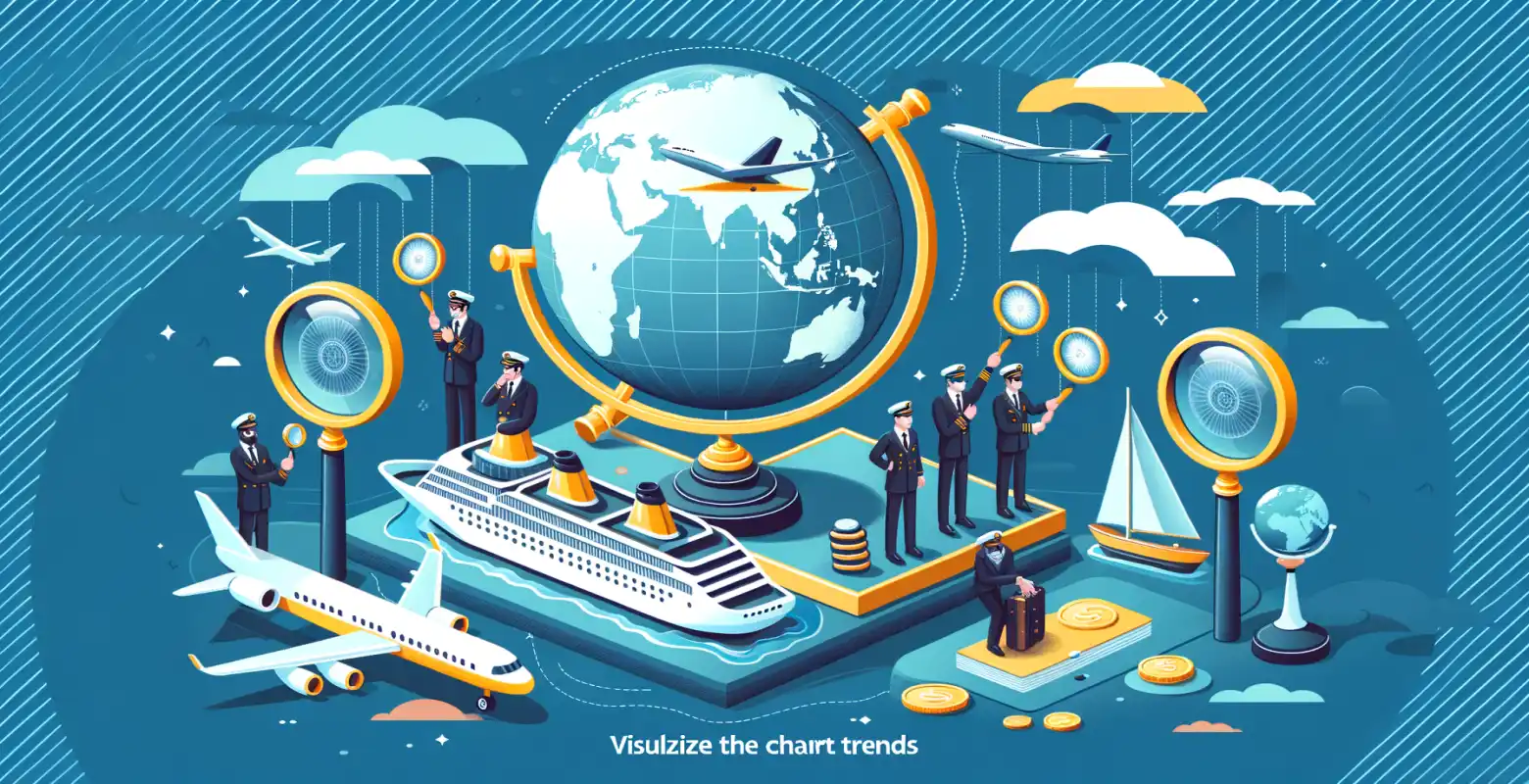
What are the new trends in charter services?
Introduction
In recent years, charter services have been gaining popularity as a preferred form of travel, both for individuals and corporations. The increasing interest in chartering planes, yachts, or luxury cars stems from the desire to ensure greater freedom, comfort, and safety. In the age of globalization and rapidly advancing technologies, the charter industry is constantly evolving, introducing new solutions and trends to the market. In this article, we will take a closer look at the latest trends in charter services that are shaping the future of this sector.
Personalization of Charter Services
One of the key trends in charter services is the increasing personalization of offerings. Customers expect services to be tailored to their individual needs and preferences. Charter companies offer a wide range of options, from choosing onboard menus, customizing routes, to selecting crew members. The introduction of advanced online booking systems allows customers to independently plan their trips, increasing their satisfaction and sense of control.
Technological Development and Digitization
Technology plays a crucial role in the transformation of charter services. Modern digital platforms enable easy and fast bookings, as well as real-time route monitoring. Virtual Reality (VR) and Augmented Reality (AR) are used to showcase offerings, aiding customers in decision-making. Additionally, advanced fleet management systems and operational process automation enhance the efficiency and safety of charter services.
Ecology and Sustainable Development
The increasing ecological awareness of society influences the development of charter services towards sustainable growth. Charter companies are implementing eco-friendly solutions, such as aircraft and yachts powered by renewable energy or the use of biofuels. Initiatives for offsetting CO2 emissions are also gaining popularity, allowing for the neutralization of travel's impact on the environment. The pursuit of reducing carbon footprint becomes a significant factor for many customers' choices.
Rise in Demand for Regional Airports
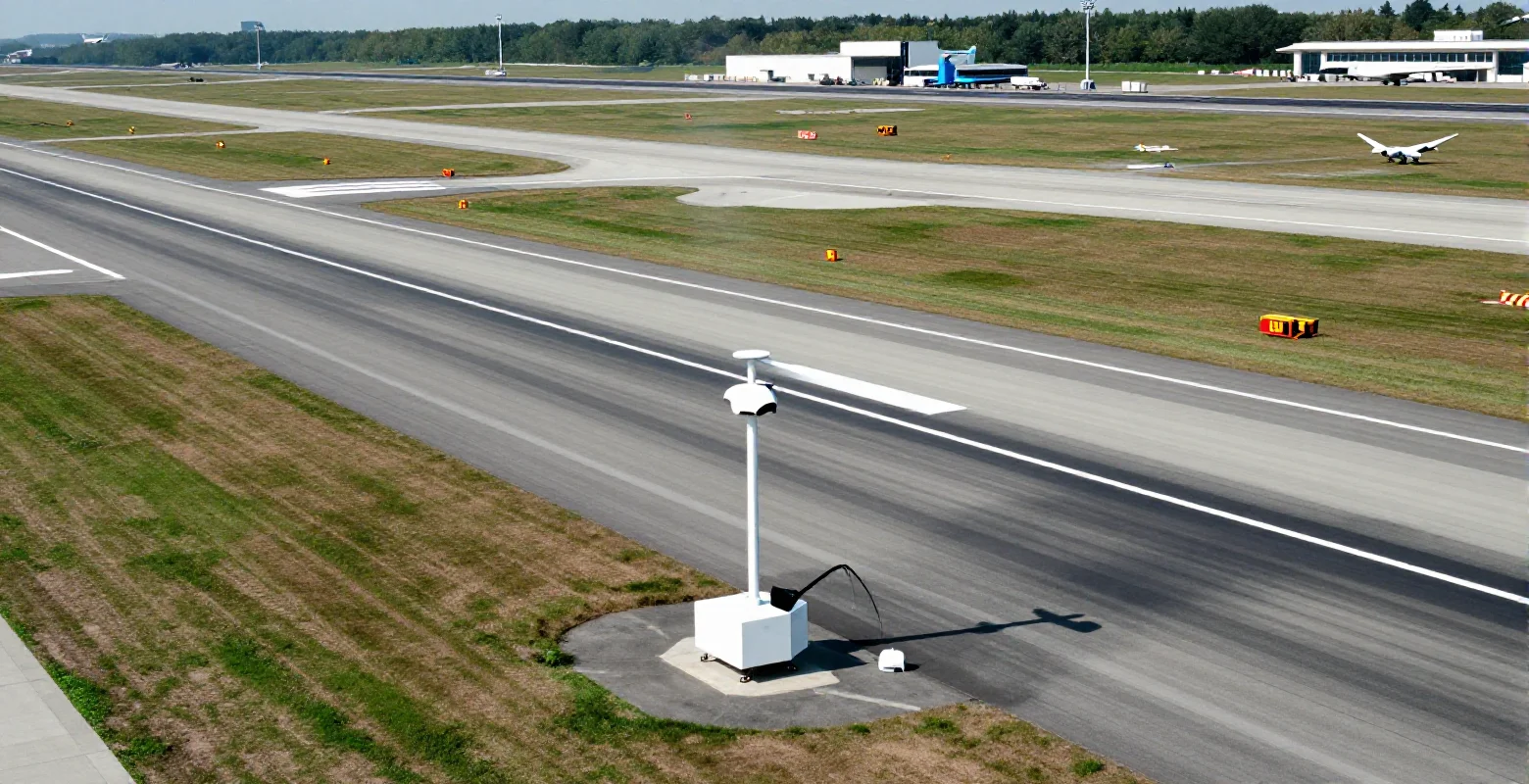
The growing popularity of air charters has led to increased interest in regional airports. Customers value the opportunity to avoid crowded terminals at major airports and shorter check-in times. Regional airports are becoming key hubs for charter companies, contributing to their development and modernization. This phenomenon also impacts the development of infrastructure and local economies.
Safety and Hygiene
The COVID-19 pandemic has contributed to the increased importance of safety and hygiene in charter services. Customers expect the highest sanitary standards, prompting companies to implement additional safety protocols, such as regular vehicle disinfection and strict adherence to sanitary norms. For many travelers, chartering provides a safer alternative to commercial flights, driving further growth in this sector.
Flexible Financial Models
Financial flexibility is becoming increasingly important for charter service customers. Companies are introducing various payment models, including subscriptions and "pay-per-use" options, allowing for cost customization based on individual needs. As a result, chartering becomes accessible to a wider range of customers, contributing to the popularity of such services.
The Future of Charter Services
It is expected that in the coming years, charter services will continue to experience dynamic growth. The introduction of 5G technology, the development of Artificial Intelligence (AI), and further automation of operational processes will undoubtedly contribute to even greater efficiency and personalization of services. Moreover, the increasing integration with mobile platforms will make charter services even more accessible and convenient for users.
Summary
Charter services are undergoing a significant transformation, driven by new technologies, evolving customer expectations, and growing ecological awareness. Personalization, digitization, sustainable development, and financial flexibility are key trends shaping the future of this sector. Understanding and adapting to these changes allow companies to enhance their competitiveness and meet the needs of modern customers. For travelers, chartering becomes not only a symbol of luxury but also a conscious choice that combines comfort, safety, and environmental responsibility.


Number of comments: 0