

What are the challenges associated with operating long-haul flights?
Introduction
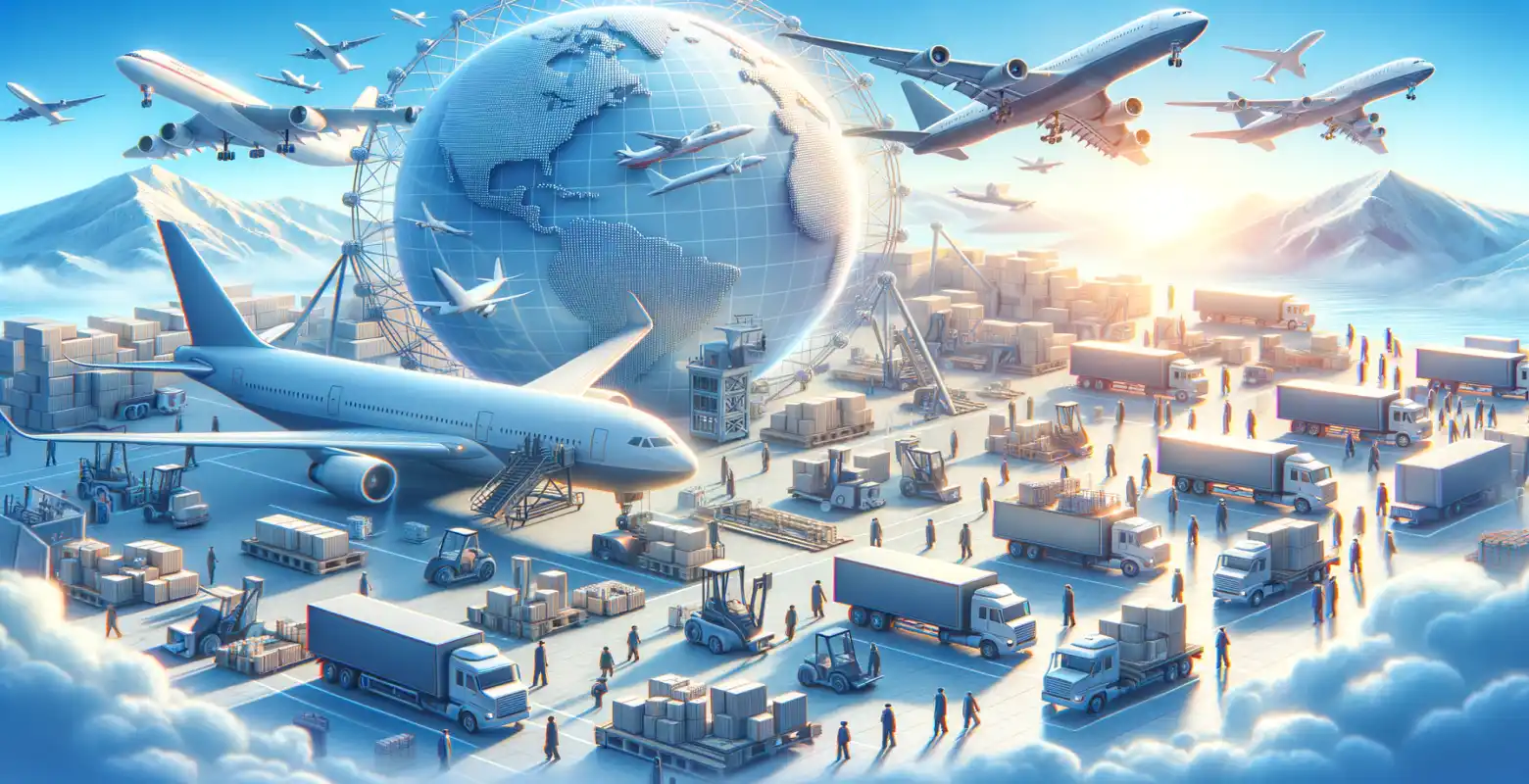
Handling intercontinental flights is one of the biggest challenges in the aviation industry. In the era of globalization and dynamic technological development, international travel has become an integral part of both professional and private life for many people. The increasing number of passengers using transcontinental flights poses a variety of challenges for airlines and airports, concerning both logistics and safety. In this article, we will take a closer look at these challenges, discussing their various aspects and significance for the future of aviation.
Logistics and Route Planning
One of the key challenges related to handling intercontinental flights is logistics and route planning. These flights often cover long distances that require precise planning in terms of fuel, cargo loading, and technical stopovers. Airlines must consider not only the length of the route, but also weather conditions, availability of alternate airports, and airspace restrictions.
Fleet management also plays a significant role in logistics. Airlines need to have an adequate number of aircraft capable of long-haul flights and ensure their proper maintenance and servicing. Therefore, investments in modern aircraft, such as the Boeing 787 Dreamliner or Airbus A350, known for their fuel efficiency and range, become a priority for carriers.
Flight Safety
Flight safety is another crucial aspect of handling intercontinental flights. The long distances and diverse airspace through which aircraft fly require close international cooperation and advanced navigation systems. This entails not only modern technologies but also strict adherence to safety standards and regular training for the crew.
Managing crisis situations that may occur during a flight, such as technical failures or medical emergencies, is an additional challenge. In such cases, it is essential for the crew to be well-trained, and the aircraft to be equipped with appropriate safety and communication systems.
Passenger Comfort and Service
Intercontinental journeys are typically long-haul, placing high demands on comfort and passenger service. Airlines must ensure the proper cabin amenities to provide comfort during lengthy flights. Modern aircraft offer many conveniences, such as adjustable seats, in-flight entertainment systems, and various meal options.
However, passenger service goes beyond physical comfort. Equally important is providing a high level of customer service, both before and during the flight. Quick and competent assistance in problematic situations, such as delays or lost luggage, is crucial for building customer loyalty.
Environmental Impact
Intercontinental flights have a significant environmental impact, especially in terms of greenhouse gas emissions. The aviation industry is one of the sectors that contribute most to global warming, so airlines are obligated to seek solutions to reduce their carbon footprint.
One way to mitigate aviation's impact on the environment is to invest in more eco-friendly technologies and alternative fuels, such as biofuels. Additionally, optimizing flight routes and improving operational efficiency can contribute to reducing fuel consumption.
The Future of Intercontinental Flights
The future of intercontinental flights is tied to further technological development and increased demand for international travel. It is expected that the number of passengers will continue to grow in the coming years, requiring further expansion of airport infrastructure and aircraft fleets.
Technological advancements, including autonomous navigation systems and hybrid-powered aircraft, can significantly impact the future of aviation. Introducing such innovations will enhance flight efficiency and safety, as well as reduce their environmental impact.
Conclusion
Handling intercontinental flights is a complex process that involves numerous logistical, technical, and environmental challenges. Despite the difficulties, technological advancements and growing interest in international travel present new opportunities for the aviation industry. However, it is crucial to continue investing in innovation and international cooperation to meet passenger expectations and minimize environmental impact. In this context, both airlines and passengers play a significant role in shaping the future of intercontinental flights.



Number of comments: 0