

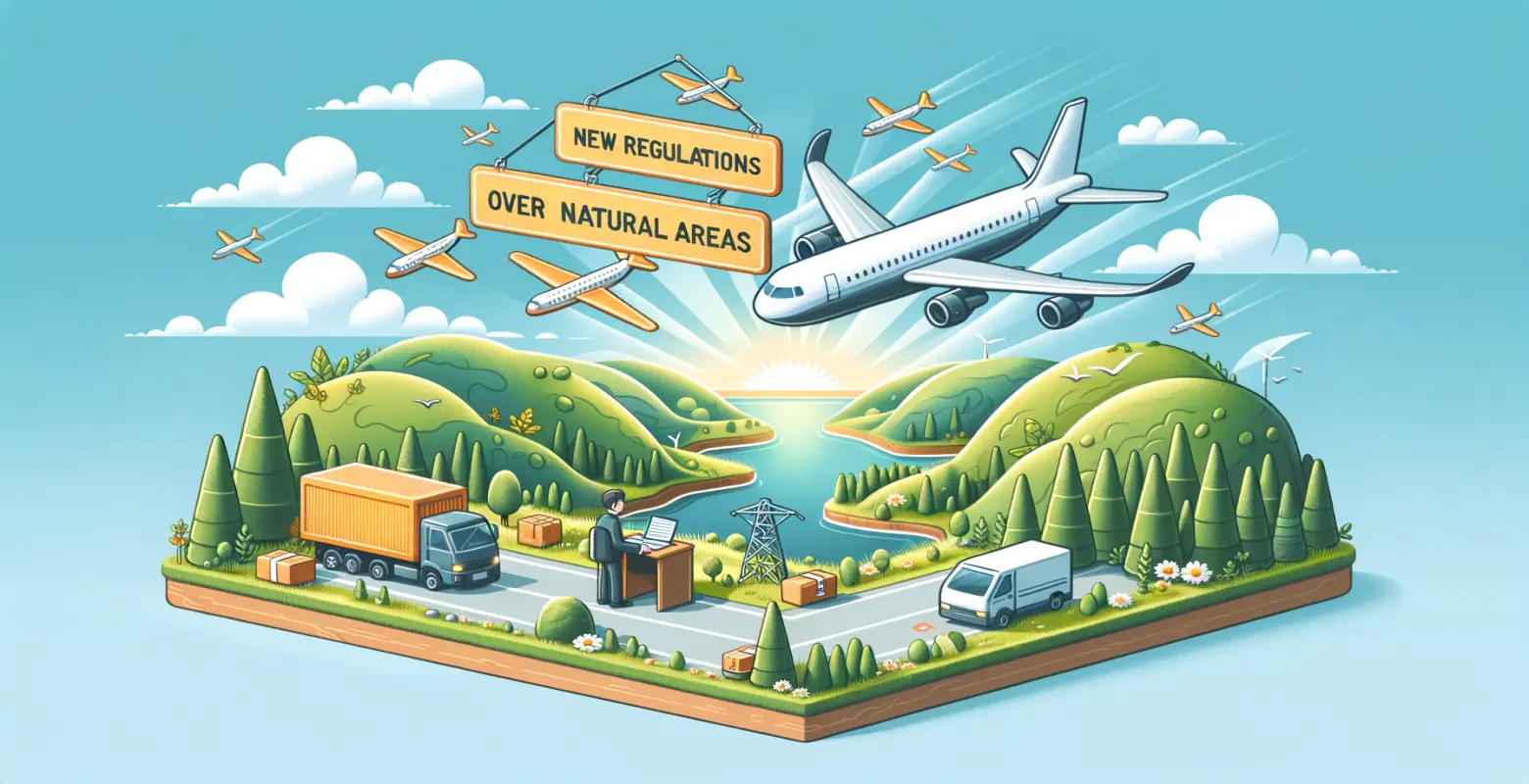
What are the new regulations for flights over natural areas?
Introduction
Protection of natural areas is one of the key challenges of the 21st century, especially in the context of the increasing number of commercial and recreational flights. New regulations regarding flights over natural areas aim to minimize their impact on the environment, protect wildlife, and ensure sustainable development of the aviation sector. In this article, we will discuss in detail these regulations, their significance, and consequences for the aviation industry and nature conservation.
New regulations concerning flights over natural areas
In recent years, a series of regulations have been introduced to protect natural areas from the negative effects of flights. These regulations vary depending on the country, but most of them focus on limiting noise, emissions, and the direct impact of aviation activities on the environment.
Flight altitude restrictions: One of the most important aspects of the new regulations is the introduction of minimum flight altitudes over protected areas. This aims to minimize noise that can disrupt ecosystems and the lives of wild animals.
Flight bans over particularly valuable areas: Many countries have introduced total flight bans over national parks, nature reserves, or other areas of special natural significance. Such actions aim to protect unique ecosystems and endangered species.
Technological requirements: New regulations often require aircraft flying over natural areas to be equipped with modern technologies that reduce noise and emissions. This enables a reduction in the negative impact on the natural environment.
Historical background of regulations concerning flights over natural areas
Regulations regarding flights over natural areas have their roots in the 1970s when there was an increasing awareness of the need to protect the natural environment. Many countries, especially those with large protected areas, began introducing initial restrictions on flights.
In 1987, the United States enacted the National Parks Overflight Act, which was one of the first steps towards regulating flights over national parks. This law was a response to growing complaints about aircraft noise disturbing the peace of the parks.
Challenges associated with the implementation of new regulations
The implementation of new regulations concerning flights over natural areas faces several challenges. One of them is the need to reconcile the interests of different groups: the aviation industry, tourists, and nature conservation organizations.
Technological challenges: Requirements for modern technologies reducing noise and emissions can be costly for airlines. Investments in modern aircraft and technologies can increase operational costs, which in turn can affect air ticket prices.
Impact on tourism: Flight bans and restrictions can affect the accessibility of certain tourist attractions, which in turn can have a negative impact on the local economy based on tourism.
Advantages of new regulations
Despite the challenges, new regulations also bring a number of benefits for both the environment and society.
Protection of wildlife: Flight restrictions and bans contribute to the protection of ecosystems and endangered species. This helps preserve biodiversity and protect unique habitats.
Improvement of the quality of life for local communities: Reducing noise and air pollution translates into a better quality of life for residents near protected areas. Lower flight intensity can also promote the development of sustainable tourism.
Future of regulations concerning flights over natural areas
In the future, further tightening of regulations concerning flights over natural areas can be expected. As technology advances, more advanced solutions minimizing the aviation impact on the environment will be possible.
Development of unmanned aerial vehicle technology: The growing popularity of drones and other unmanned aerial vehicles can pose both a challenge and an opportunity for environmental protection. On one hand, appropriate regulations will need to be developed, on the other hand, drones can be used for monitoring and protecting natural areas.
Increase in ecological awareness: The increasing ecological awareness of society can contribute to greater support for more restrictive regulations. The growing importance of sustainable development in international politics may also influence the shape of future regulations.
Summary
New regulations concerning flights over natural areas are essential for environmental protection and the preservation of biodiversity. Although the implementation of these regulations comes with certain challenges, the benefits of their implementation are invaluable. Protection of wildlife, improvement of the quality of life for local communities, and the development of sustainable tourism are just some of the benefits resulting from new regulations.
In the future, further engagement of various sectors will be necessary to develop effective and innovative solutions that allow for minimizing the impact of aviation on the environment while maintaining its development. The increase in ecological awareness and technological development can play a crucial role in shaping the future of regulations concerning flights over natural areas.


Number of comments: 0