

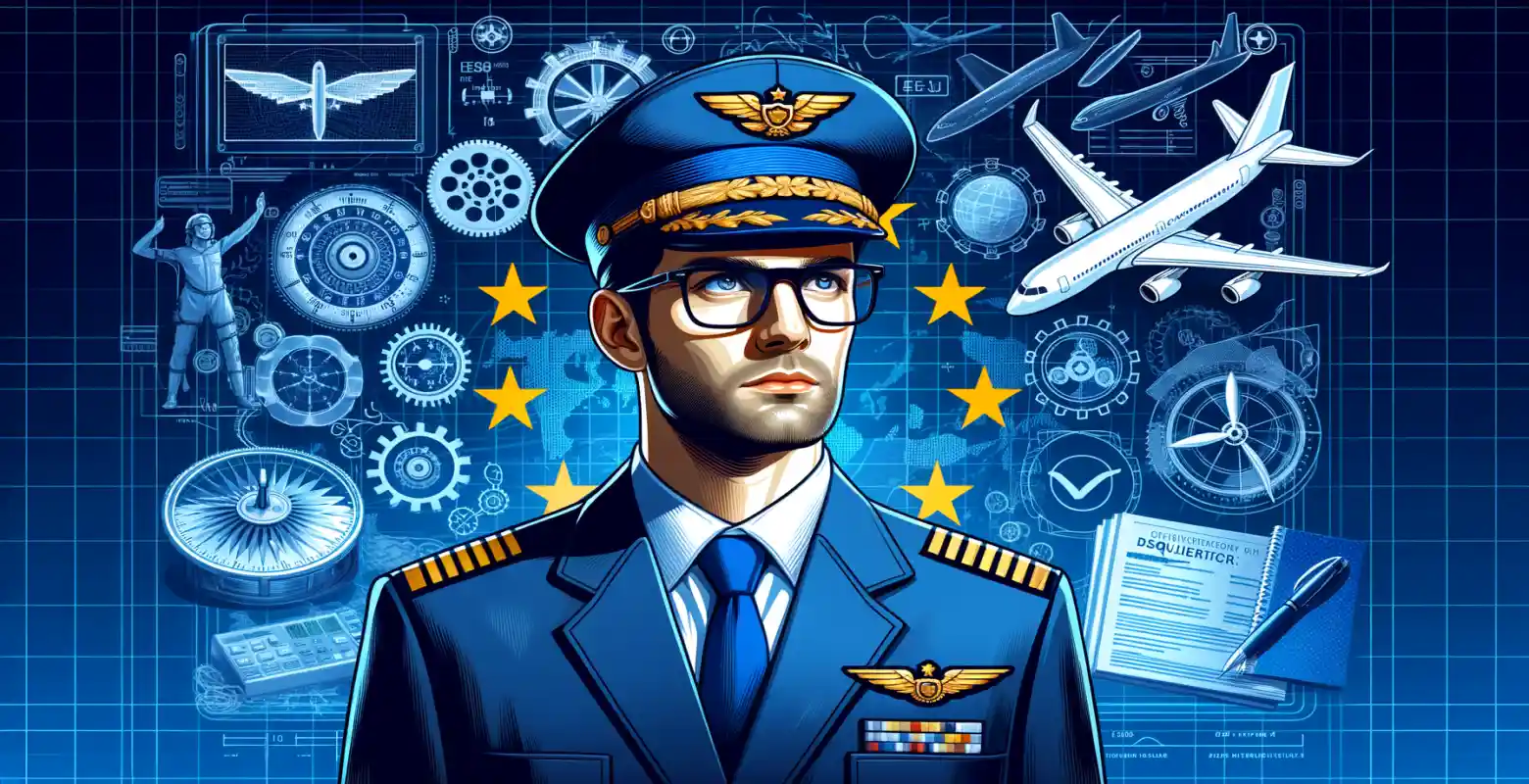
What are the requirements for civilian airplane pilots in the EU?
Introduction
Civil aviation is one of the key transportation sectors, connecting people and goods worldwide. In the European Union (EU), the profession of a civil aircraft pilot is not only prestigious but also carries great responsibility. To ensure the safety of passengers and crew, the EU has established strict requirements for aspiring pilots. In this article, we will look at what these requirements are, why they are important, and what steps need to be taken to become a professional pilot in the EU. Understanding these requirements is essential for anyone planning a career in civil aviation or simply interested in this fascinating world.
Basic formal requirements
To start training as a civil aircraft pilot, a candidate must meet several basic formal requirements. First and foremost, the person must be at least 18 years old, although many flight schools prefer candidates who are at least 21 years old, due to professional licensing requirements. Another significant requirement is having a valid identification document and citizenship or resident status in one of the EU countries.
Proficiency in the English language is also important, as it is the international language in aviation. Candidates must pass language proficiency tests at level B2 or higher, which is necessary for communication in an international environment.
Theoretical and practical training
The training process for pilots in the EU is complex and consists of two main components: theoretical and practical training. Theoretical training covers topics such as meteorology, navigation, principles of flight, and aviation law. Candidates must pass a theoretical exam consisting of several subjects to proceed to the practical part.
Practical training involves many hours of flying, both with an instructor and solo. Initially, candidates gain experience on simulators and then on actual aircraft. The entire process culminates in a practical exam that must be passed before obtaining a pilot's license.
Licenses and certificates
In the EU, there are several types of pilot licenses that can be obtained depending on the level of advancement and the type of flights. The basic license is the Private Pilot License (PPL), which allows for recreational flights. For those wishing to work as professional pilots, obtaining a Commercial Pilot License (CPL) and Airline Transport Pilot License (ATPL) is necessary. Each of these licenses requires completing a certain number of flight hours and passing theoretical and practical exams.
Additional certificates are also required, such as Instrument Rating (IR) for flying by instruments and Type Rating for operating specific aircraft types.
Health and psychological requirements
One of the most important aspects of becoming a pilot is meeting health requirements. Candidates must undergo rigorous medical examinations, which include assessing overall health, vision, hearing, and psychological evaluation. In the EU, these examinations are regulated by the European Aviation Safety Agency (EASA) and must be renewed every few years depending on the pilot's age.
Candidates must also undergo psychological tests that assess their ability to cope with stress and make decisions in crisis situations. A balanced psyche is crucial for ensuring flight safety.
Legal and regulatory aspects
Civil aviation in the EU is closely regulated by EU and national laws. EASA plays a key role in establishing safety and certification standards for pilots and aircraft. Every pilot must be aware of the applicable regulations and regularly participate in safety training and updates on regulations.
Adherence to regulations regarding work and rest time is also important to minimize fatigue and ensure the highest level of safety during flights.
Challenges and future trends
One of the biggest challenges facing future pilots is the rapid technological advancement in aviation. Modern aircraft are becoming increasingly automated, requiring pilots to acquire new skills, especially in handling computer and navigation systems.
On the other hand, the growing demand for air travel in Europe makes the pilot profession increasingly attractive. Many experts predict that there will be a growing demand for qualified pilots in the coming years, creating new career opportunities for young people.
Summary
Becoming a civil aircraft pilot in the European Union is a demanding but incredibly rewarding process. It requires meeting many formal, health, and legal requirements, but at the same time, it opens the doors to a career full of challenges and opportunities. Safety and responsibility come first, reflected in the rigorous training and regulatory standards. For those willing to take on this challenge, aviation offers not only the opportunity to travel the world but also to participate in a dynamically evolving industry. If you dream of conquering the skies, now is the perfect time to start your adventure in civil aviation.


Number of comments: 0