

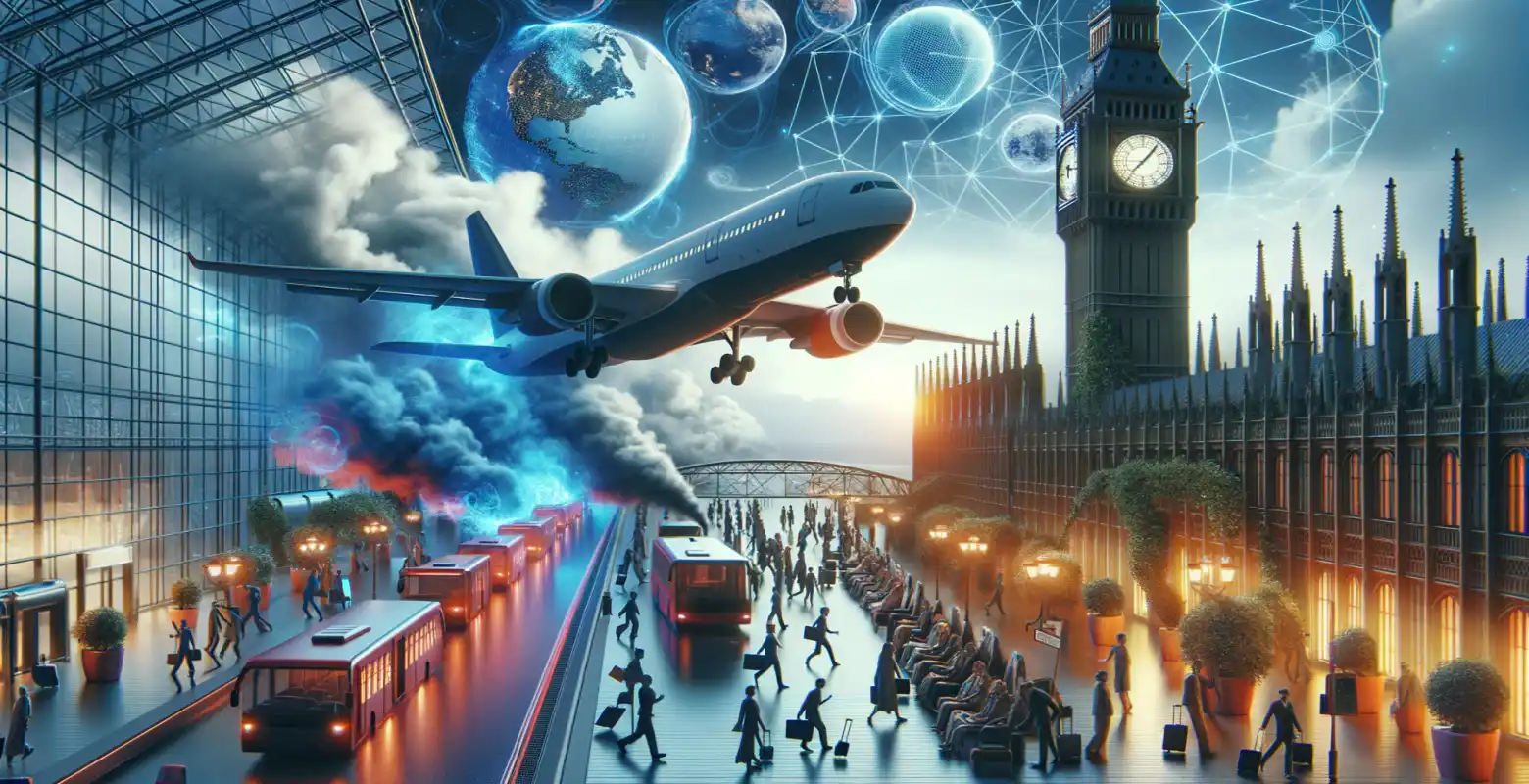
Analysis of the impact of air strikes on passenger traffic in Europe
Introduction
Airline strikes in Europe are a phenomenon that regularly attracts the attention of the media, passengers, and the aviation industry. They are often the result of conflicts between employees and airline managements regarding working conditions, salaries, or employment policies. These events can have a significant impact on passenger traffic, leading to delays, flight cancellations, and overall disruption of travel. In this blog, we will take a closer look at how airline strikes affect passenger traffic in Europe, analyzing their causes, effects, and potential future trends. Understanding this phenomenon is crucial for travelers and professionals in the tourism industry to better prepare for unforeseen situations.
Causes of Airline Strikes
Airline strikes in Europe have various origins, often related to difficult negotiations between employees and employers. One of the main reasons is dissatisfaction with working conditions. Employees, such as pilots, cabin crew, or air traffic controllers, often demand better employment conditions, higher wages, and greater job stability. As airlines try to reduce costs, conflicts of interest often arise.
Another significant factor is structural changes in companies, such as mergers and acquisitions, which can lead to job reductions or changes in working conditions. In such situations, employees often feel uncertain about their professional future, prompting them to organize strikes to protect their interests.
Impact of Strikes on Passenger Traffic
Airline strikes have a direct impact on passenger traffic, causing delays and flight cancellations. According to reports from European aviation agencies, during strikes, the number of canceled flights can increase by up to 30%, resulting in thousands of passengers being left stranded at airports. Additionally, these disruptions have repercussions throughout the transportation system, affecting further air connections and other forms of transportation.
Passengers are forced to seek alternative routes, often leading to increased travel costs, both for individual travelers and for airlines, which have to bear the costs associated with organizing alternative solutions. In the long run, such disruptions can lead to a loss of trust in the carrier by customers, which is particularly harmful in the competitive airline industry.
Historical Examples of Strikes
Over the years, Europe has experienced many significant airline strikes that have had a serious impact on passenger traffic. For example, the strike by French air traffic controllers in 2016 led to the cancellation of a thousand flights, affecting the travel plans of hundreds of thousands of passengers. Similarly, strikes in Ryanair airlines in 2018 caused significant disruptions across Europe, forcing airlines to cancel hundreds of flights during the peak holiday season.
These examples show that strikes can have far-reaching consequences, not only for passengers but also for the economy, especially in the context of tourism and trade.
Challenges Related to Strikes
One of the main challenges related to airline strikes is crisis management. Airlines must react quickly to changing situations, communicate with passengers, and organize alternative solutions. This requires complex logistics and good coordination between different departments of the company.
Another challenge is the protection of passengers' rights. In the European Union, there are regulations regarding compensation and support for passengers affected by strikes, meaning that airlines must be prepared for financial and organizational compensations.
Benefits of Resolving Conflicts
Although strikes bring many negative consequences, they can also lead to positive changes. Successes in negotiations between employees and managements can lead to improved working conditions and increased employee satisfaction, which in the long run translates into better service quality for passengers. Finding compromises can also increase stability in the aviation industry, which is beneficial for all parties involved.
Future Trends in Managing Strikes
In the future, we can expect more advanced technologies and strike management strategies. Airlines may invest in the development of early warning systems and better communication with passengers to minimize the effects of strikes. It is also possible that the growing role of trade unions and workers' organizations will lead to more complex but less conflictual negotiations.
Introducing flexible work models and better understanding of employees' needs may also contribute to reducing the number of strikes in the future, positively impacting the stability and efficiency of the aviation industry.
Summary
Airline strikes in Europe are a complex phenomenon that has far-reaching effects on passenger traffic and the entire aviation industry. While their causes are often related to conflicts of interest between employees and managements, they also present an opportunity for positive change and improvement of working conditions. Understanding the impact of strikes and the ability to manage them is crucial for all participants in the aviation market.
For travelers, awareness of potential disruptions and the ability to plan alternative travel scenarios can significantly improve the travel experience. For industry professionals, developing new management and communication strategies with employees can help reduce the number of conflicts in the future.


Number of comments: 0