

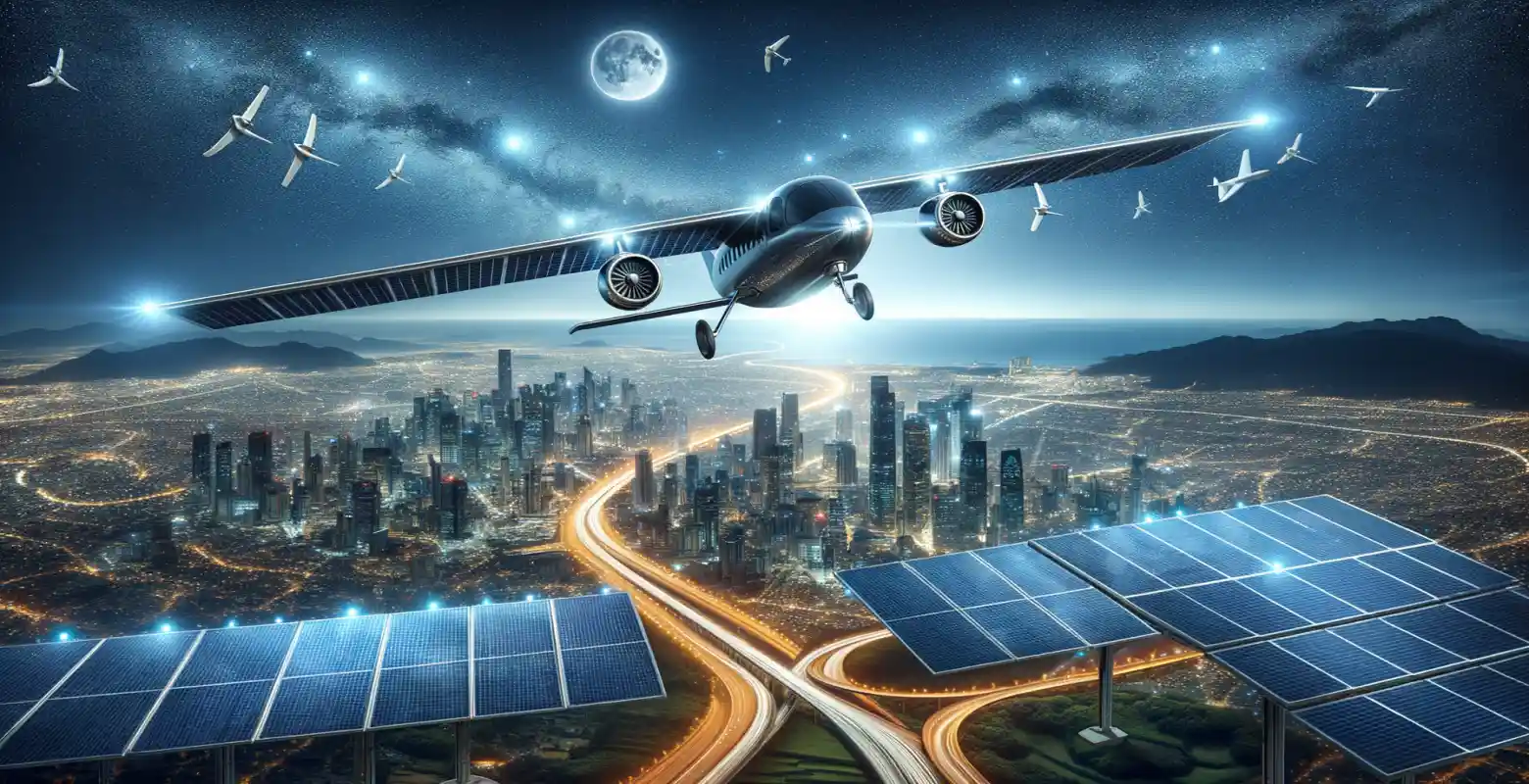
Aviation powered by solar energy - future or utopia?
Introduction
In the era of changing climate and growing ecological awareness, the need to search for alternative sources of energy has become a priority for many sectors of the economy, including aviation. Solar-powered aviation presents a fascinating vision of the future that has the potential to revolutionize air travel, making it more sustainable and environmentally friendly. But is this a future that can truly materialize, or is it rather a utopia? In this article, we will explore the possibilities, challenges, and potential trends associated with solar-powered aviation.
History and Development of Solar Aviation Technology
Solar-powered aviation is not a completely new concept. Already in 1974, NASA successfully conducted a test flight of an unmanned solar-powered aircraft. Since then, this technology has come a long way, and one of the most spectacular achievements was the Solar Impulse project, which completed the first solar-powered flight around the world in 2015-2016. This event demonstrated the potential of solar aviation but also highlighted its current limitations.
The development of technology in this area is driven by advances in the efficiency of solar panels and innovations in the materials used to build lightweight yet durable aircraft structures. Despite these advancements, solar aviation remains in the experimental phase, and its commercial application is limited.
Advantages of Solar-Powered Aviation
One of the biggest advantages of solar aviation is its sustainable nature. Solar-powered aircraft do not emit carbon dioxide during flight, making them environmentally friendly. Additionally, solar energy is renewable and practically inexhaustible, reducing dependence on fossil fuels and aiding in the fight against climate change.
Another benefit is the potential reduction in operational costs. Although initial investments in the technology may be high, the absence of the need to purchase fuel can lead to significant savings in the long run.
Challenges Facing Solar Aviation
Despite its advantages, solar aviation faces a number of challenges. One of the most significant is the limited amount of energy that can be gathered from solar panels during flight. Current technologies only allow for powering lightweight and slow-flying aircraft, limiting their commercial utility.
Another problem is the dependency on weather conditions and time of day. Clouds, rain, and lack of sunlight at night pose significant obstacles to the continuity of solar-powered flights. Additionally, storing energy in batteries efficient enough to enable long-distance flights remains a technological challenge.
Future Trends and Opportunities
Despite current limitations, the prospects for the development of solar aviation are promising. Advances in battery technology, such as the development of lithium-ion cells and research on next-generation batteries, may solve the energy storage problem in the future. Furthermore, efforts to increase the efficiency of solar panels and develop new composite materials could contribute to greater performance and application of this technology in a wider range of aviation types.
It is also worth noting the growing interest in the space industry in utilizing solar technologies in satellites and other space units. Successes in this field may contribute to the development of technologies that can be adapted in civil and military aviation.
Summary
Solar-powered aviation is a fascinating field with the potential to significantly impact the future of air travel. Although it currently faces many challenges, technological advancements may help overcome them. The use of solar energy in aviation can contribute to reducing the carbon footprint of the aviation sector, which is essential in the face of global climate challenges. Therefore, the continuation of research and investment in this technology remains crucial for achieving a more sustainable future in aviation.
As a reader, you can support the development of this technology by following the latest achievements, educating yourself about the benefits of renewable energy sources, and supporting policies and initiatives that promote sustainable solutions in air transport.



Number of comments: 0