

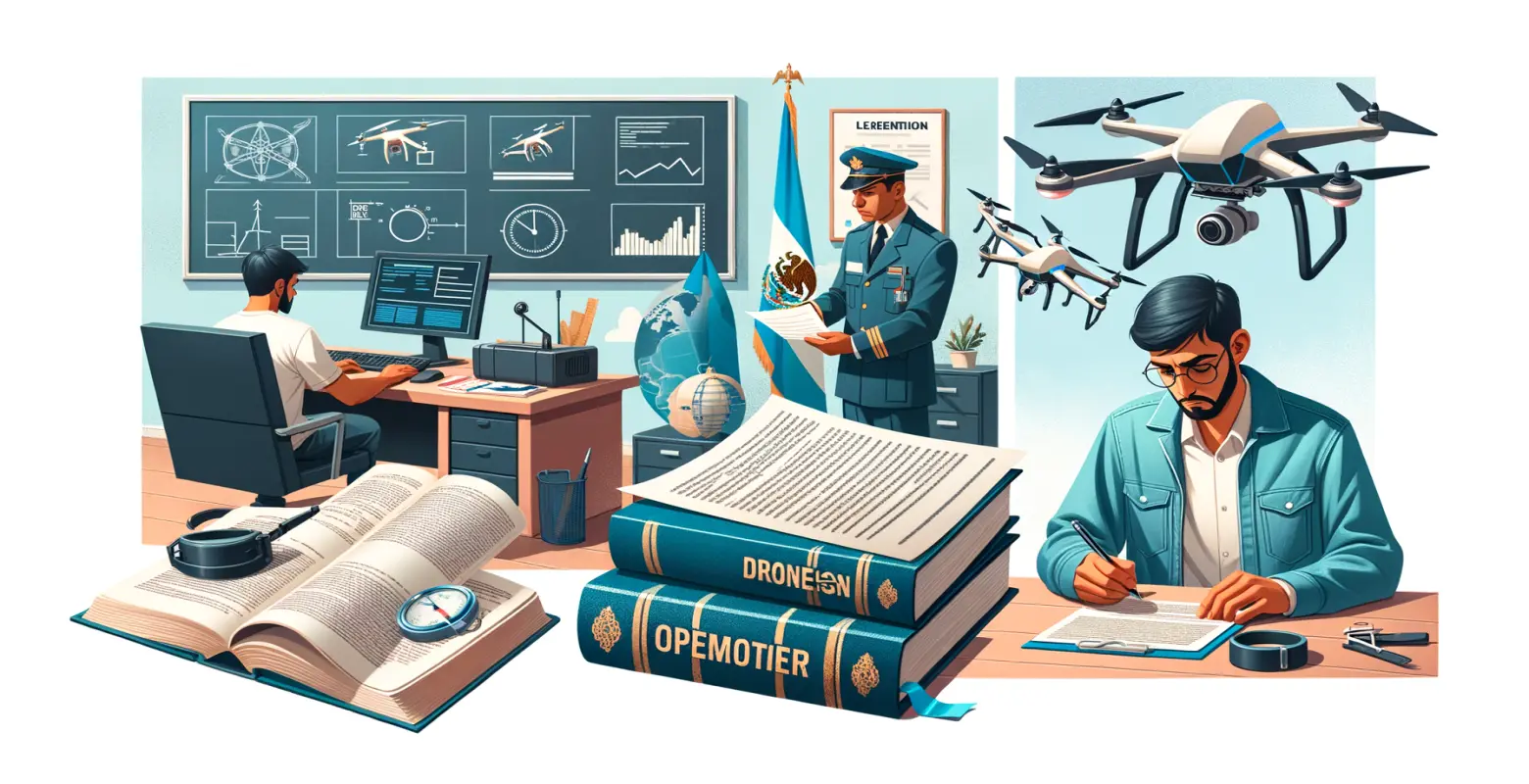
What is the process of obtaining a license for a commercial drone operator like?
Introduction
In recent years, drones have gained immense popularity, both in recreational and commercial applications. These applications include aerial photography, technical inspections, precision agriculture, and goods delivery. Due to the dynamic development of technology and its various applications, it has become essential to regulate issues related to operating unmanned aerial vehicles (UAVs), especially for commercial purposes. In Poland, to legally conduct drone flights for profit, obtaining the appropriate license is necessary. In this article, we will closely examine the process of obtaining a license for a commercial drone operator, taking into account the applicable regulations and practical guidelines.
Legal Fundamentals and Regulations
Safety in airspace is a priority, which is why drone regulations are strictly defined. In Poland, the supervisory authority is the Civil Aviation Authority (ULC), which implements regulations in line with the guidelines of the European Aviation Safety Agency (EASA). Since December 31, 2020, new regulations concerning unmanned aerial vehicles are in force in the European Union, which also apply in Poland. These regulations classify drones based on their weight and level of operational risk, affecting the type of required license.
Licenses are divided into three main categories: open, specific, and certified. For commercial purposes, special category qualifications are most often required, especially when operations involve flights near people, objects, or in urban areas. To obtain a license, the operator must meet specific training and examination requirements.
Licensing Process
The process of obtaining a license for a commercial drone operator can be divided into several key stages. Each of these stages is significant and requires the operator to approach them responsibly and have a good understanding of the regulations.
1. Choosing the Right TrainingThe first step is to choose the appropriate training. There are many certified training centers offering courses for drone operators. These courses cover both theoretical and practical aspects of operating a drone, including safety rules, navigation, flight management, and emergency procedures. It is advisable to select centers with positive reviews and certificates approved by the ULC.
2. Theoretical and Practical ExamsAfter completing the training, the operator takes the theoretical exam, which tests knowledge of aviation regulations, meteorology, drone operation principles, and safety. Subsequently, a practical exam is conducted to assess piloting skills and the ability to react in emergency situations. Exams are administered by certified examiners and are a necessary step to obtain the license.
3. Applying to the ULCAfter passing the exams, an application must be submitted to the Civil Aviation Authority for the issuance of the license. The application must include documentation confirming the completion of training and passing the exams. Upon successful verification of the documents, the ULC issues the license, authorizing the conduct of commercial drone operations.
Challenges and Benefits of Having a License
Having a license as a commercial drone operator entails both challenges and benefits. One of the main challenges is the need to continuously update knowledge and monitor changes in regulations that may affect the way operations are conducted. Operators must also be aware of the responsibility related to flight safety and the protection of third parties' privacy.
On the other hand, the benefits of holding a license are significant. Licensed operators have access to a wide market of drone services, which is continuously expanding. Utilizing drones for commercial purposes can lead to significant time and resource savings, as well as opening up new business opportunities, such as precise terrain mapping, infrastructure inspections, or creative film projects.
The Future of Drone Operations in Poland
The future of drone operations in Poland appears promising. As drone technology advances, so do its potential applications. It is predicted that drones will play an increasingly important role in logistics, rescue operations, environmental monitoring, and in cities as part of intelligent infrastructure. It is crucial for operators to be prepared for these changes and seek innovative ways to utilize drones in their industries.
Summary
Obtaining a license as a commercial drone operator in Poland is a demanding but necessary process for those who wish to legally and safely conduct drone operations for profit. Through proper training, passing exams, and submitting an application to the ULC, operators can benefit from the rapidly growing drone market. It is worth emphasizing that having a license is not only an obligation but also an opportunity for professional and business development in the field of modern technologies.
If you are considering a career as a drone operator, start by choosing a reputable training center and invest in your future in this innovative industry.


Number of comments: 0