

What are the new technologies in private aviation?
Introduction
Private aviation has been gaining increasing interest among individuals seeking comfortable and fast travel options. Thanks to new technologies, this sector is currently undergoing a revolution that promises even greater safety, efficiency, and travel comfort. In this article, we will explore the latest innovations that are changing the face of private aviation and discuss their significance for the future of the aviation industry. Understanding these technologies is crucial for both potential clients and industry professionals.
Advanced Navigation Systems
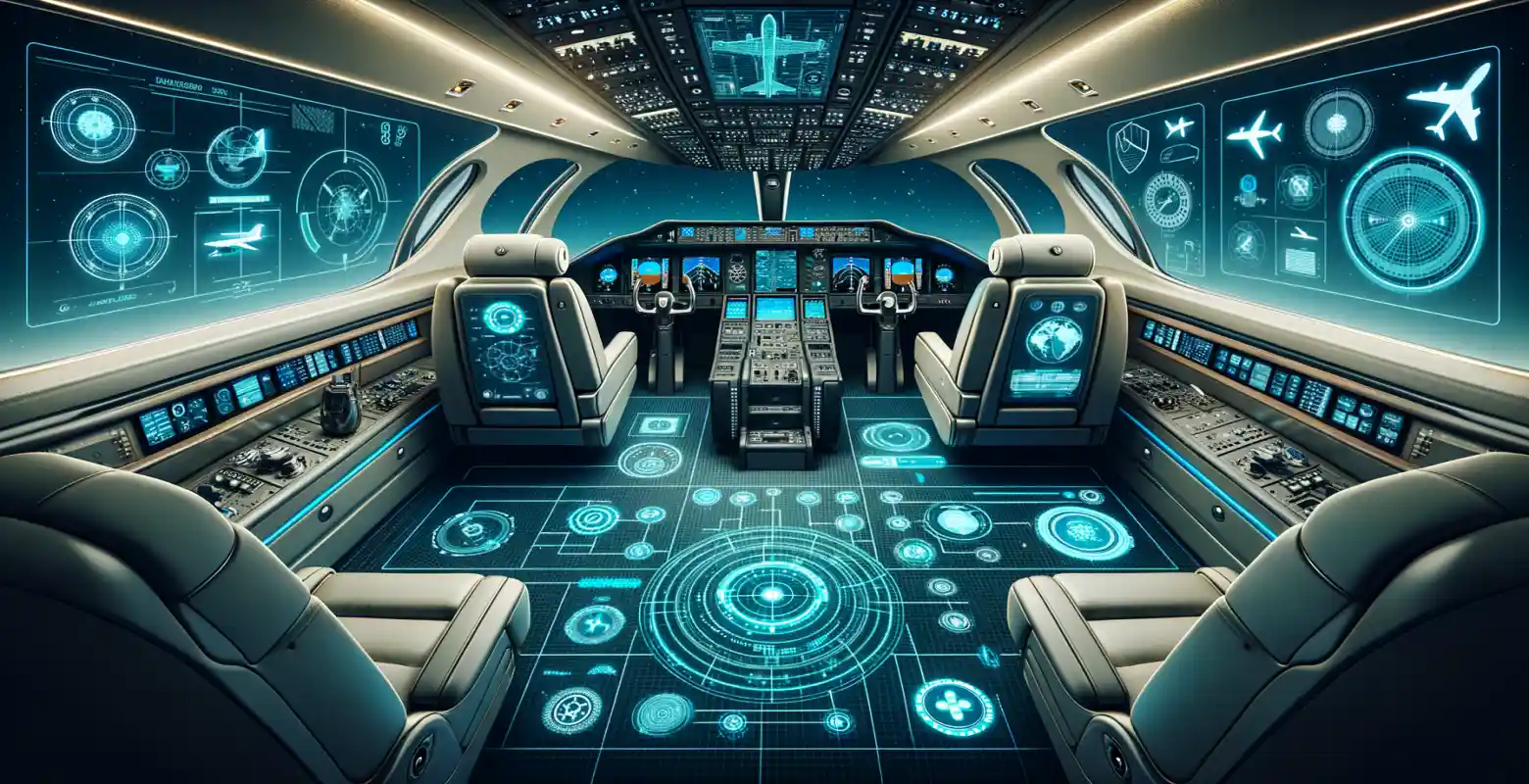
One of the most important areas of development in private aviation is advanced navigation systems. By utilizing technologies such as GPS with enhanced accuracy or artificial intelligence-based systems, pilots can precisely plan routes and avoid dangerous weather conditions. These systems not only enhance flight safety but also enable more efficient fuel management, which is crucial for reducing operational costs. In the future, we can expect even more advanced solutions that will fully automate the navigation process.
Electric and Hybrid Engines
Another groundbreaking innovation in private aviation is electric and hybrid engines. Traditional combustion engines are gradually giving way to their more environmentally friendly counterparts, in response to global environmental challenges. Electric-powered aircraft, such as projects developed by companies like Eviation or Pipistrel, promise significant reductions in carbon dioxide emissions and noise compared to traditional solutions. Although this technology is still in development, its potential benefits are immense.
Composite Materials
The use of advanced composite materials is another step forward in the development of private aviation. Lightweight yet durable materials, such as carbon fiber, allow for the construction of aircraft that are both more fuel-efficient and more resilient. As a result, modern aircraft can fly longer distances and at higher speeds, which is a huge advantage for customers seeking fast and comfortable transportation.
Autonomous Technology
While fully autonomous flights may still seem like the future, this technology is already impacting private aviation. Pilot assistance systems, such as automatic landing or collision avoidance, are becoming increasingly common. This allows pilots to focus on more strategic aspects of the flight, leaving many technical aspects to advanced onboard computers. As autonomous technology advances, we can expect the introduction of even more advanced features that will make flights even safer.
Communication and Digital Technologies
In the age of digitization, advanced communication plays a crucial role in private aviation. Modern aircraft are equipped with the latest communication technologies, allowing for constant contact with the ground, access to real-time weather data, and the ability to use the Internet on board. The development of 5G technology and satellite communication systems will further enhance communication capabilities, contributing to increased travel comfort and operational efficiency.
Virtual Reality (VR) and Augmented Reality (AR)
Although VR and AR are relatively new technologies, they are already being used in pilot training and aircraft interior design. Through VR simulations, pilots can improve their skills in realistic conditions without safety risks. AR, on the other hand, enables engineers and designers to have better visualizations and planning of spaces in aircraft, resulting in more functional and aesthetic interiors. In the future, these technologies may also find applications on board, offering passengers new forms of entertainment and information.
Challenges and Future of Private Aviation
While new technologies offer many benefits, their implementation also poses certain challenges. High costs of investing in modern technologies can be a barrier for many companies, and legal regulations may not keep pace with rapid technological advancements. Nevertheless, sustainable development and innovations are key to the future of private aviation. The industry must continue to invest in research and development to meet the growing market demands and achieve a higher level of sustainable development.
Summary
New technologies in private aviation have the potential to completely transform the way we travel. From advanced navigation systems to eco-friendly propulsion systems, these innovations bring numerous benefits such as increased safety, efficiency, and travel comfort. However, their implementation requires overcoming many challenges, including financial and regulatory hurdles. To fully harness the potential of these technologies, the aviation industry must continue to invest in research and development and collaborate with regulatory bodies to create appropriate legal frameworks. It is an exciting time for private aviation, and the future holds the promise of even more revolutionary changes.



Number of comments: 0