

How is civil aviation adapting to the new climate reality?
Introduction
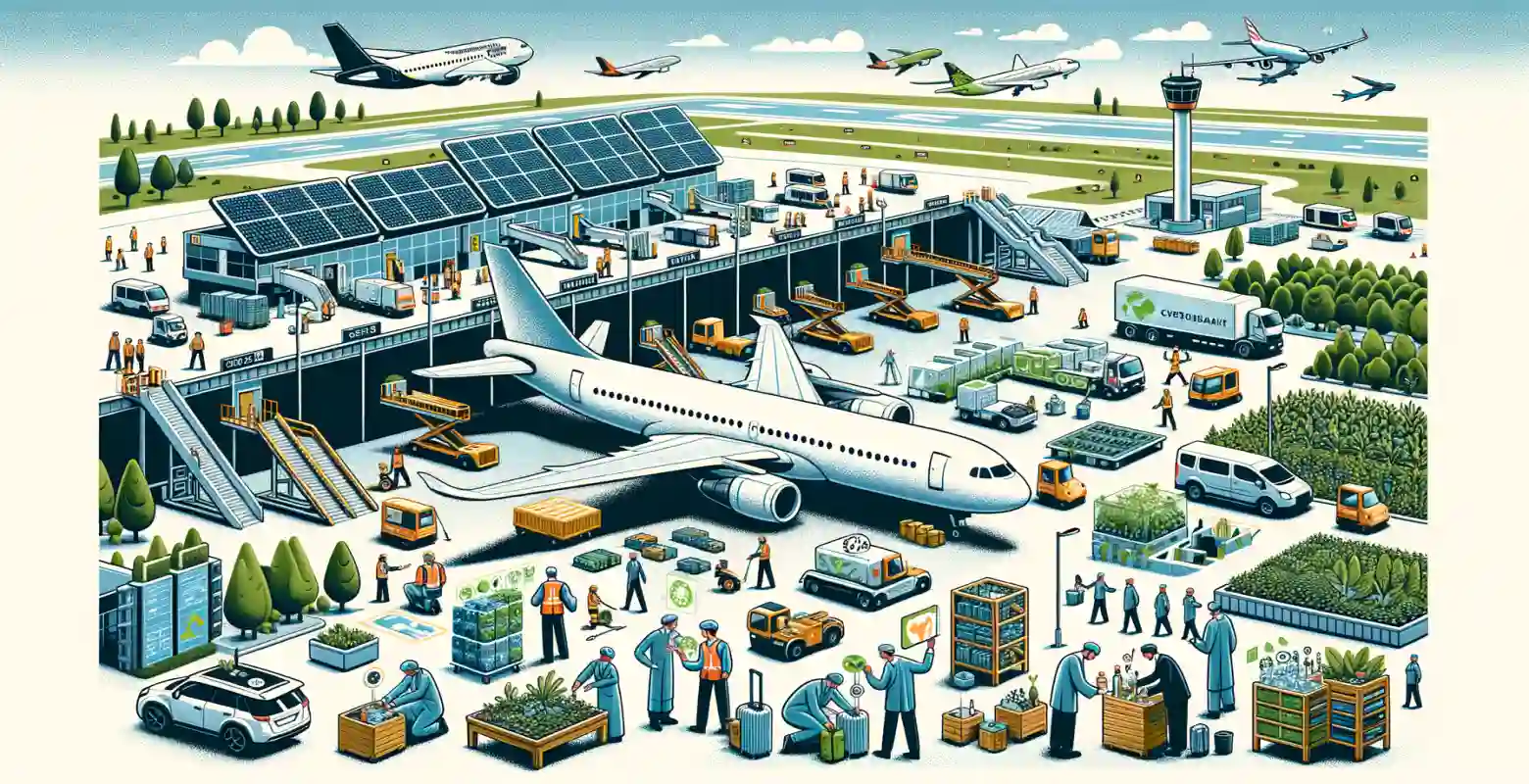
In the face of growing social awareness about climate change, the aviation industry is at the forefront of the fight for sustainable development. Civil aviation, responsible for a significant portion of greenhouse gas emissions, must adapt to the new climate reality to reduce its impact on the environment. In this article, we will examine how the aviation industry is responding to these challenges, what technologies and strategies are being implemented, and what future directions may shape this sector.
New Propulsion Technologies
One of the key areas in which civil aviation is making changes is the development of new propulsion technologies. Traditional jet engines rely on the combustion of fossil fuels, generating significant amounts of carbon dioxide. In response to these challenges, the aviation industry is investing in the development of eco-friendly alternatives.
Electric and Hybrid Engines: Electric and hybrid aircraft are one of the most promising directions for development. Companies such as Airbus and Boeing are working on prototypes that can reduce CO2 emissions by up to 50%. Although these technologies are still in the development phase, they have the potential to revolutionize short-haul flights.
Alternative Fuels: Biofuels and synthetic aviation fuels are another path the industry is following. They are produced from renewable sources such as vegetable oils or organic waste, allowing for a significant reduction in emissions throughout the fuel lifecycle.
Operational Optimization
Alongside propulsion technologies, operational optimization is a key area where we can observe changes. Many airlines are implementing strategies to increase fuel efficiency and reduce emissions.
Flight Route Optimization: Advanced air traffic management systems allow airlines to optimize flight routes, resulting in fuel savings. Shortening routes and avoiding congested airspace contribute to emission reductions.
Landing and Takeoff Techniques: Modern landing and takeoff techniques, such as Continuous Descent Approach (CDA), enable smoother landing approaches, reducing fuel consumption and emissions.
International Cooperation
Sustainable development in aviation requires global cooperation. Organizations such as the International Civil Aviation Organization (ICAO) play a key role in coordinating international efforts.
Offset Programs: Under the CORSIA program (Carbon Offsetting and Reduction Scheme for International Aviation), airlines commit to offsetting their emissions by investing in environmental projects, such as reforestation or renewable energy development.
Emission Standards: ICAO develops international emission standards aimed at reducing the aviation industry's impact on the environment. This enables synchronization of actions at a global level and more effective implementation of emission reduction strategies.
Innovative Projects and the Future of Aviation
The aviation industry is constantly seeking innovative solutions that can contribute to its sustainable development in the future.
Hydrogen-Powered Aircraft: Hydrogen is seen as one of the cleanest sources of energy. Projects such as ZeroE, developed by Airbus, aim to introduce hydrogen-powered aircraft to the market by 2035. Such aircraft could completely eliminate CO2 emissions during flight.
Full Automation: Flight automation, although controversial, can contribute to increased fuel efficiency. With advanced navigation systems and autopilots, it is possible to plan routes more precisely and reduce human errors, resulting in lower fuel consumption.
Summary
Civil aviation faces enormous challenges in reducing its impact on climate change. However, through investments in modern propulsion technologies, operational optimization, and international cooperation, this industry has the opportunity to become more sustainable. How effectively aviation adapts to these challenges will be crucial for its future and for global efforts to protect the climate.
To achieve these goals, continued research and investment in green technologies, as well as the development of international regulations supporting sustainable aviation development, are necessary. Each of us can contribute to these efforts by choosing airlines that invest in sustainable development and promoting a conscious approach to air travel.


Number of comments: 0