

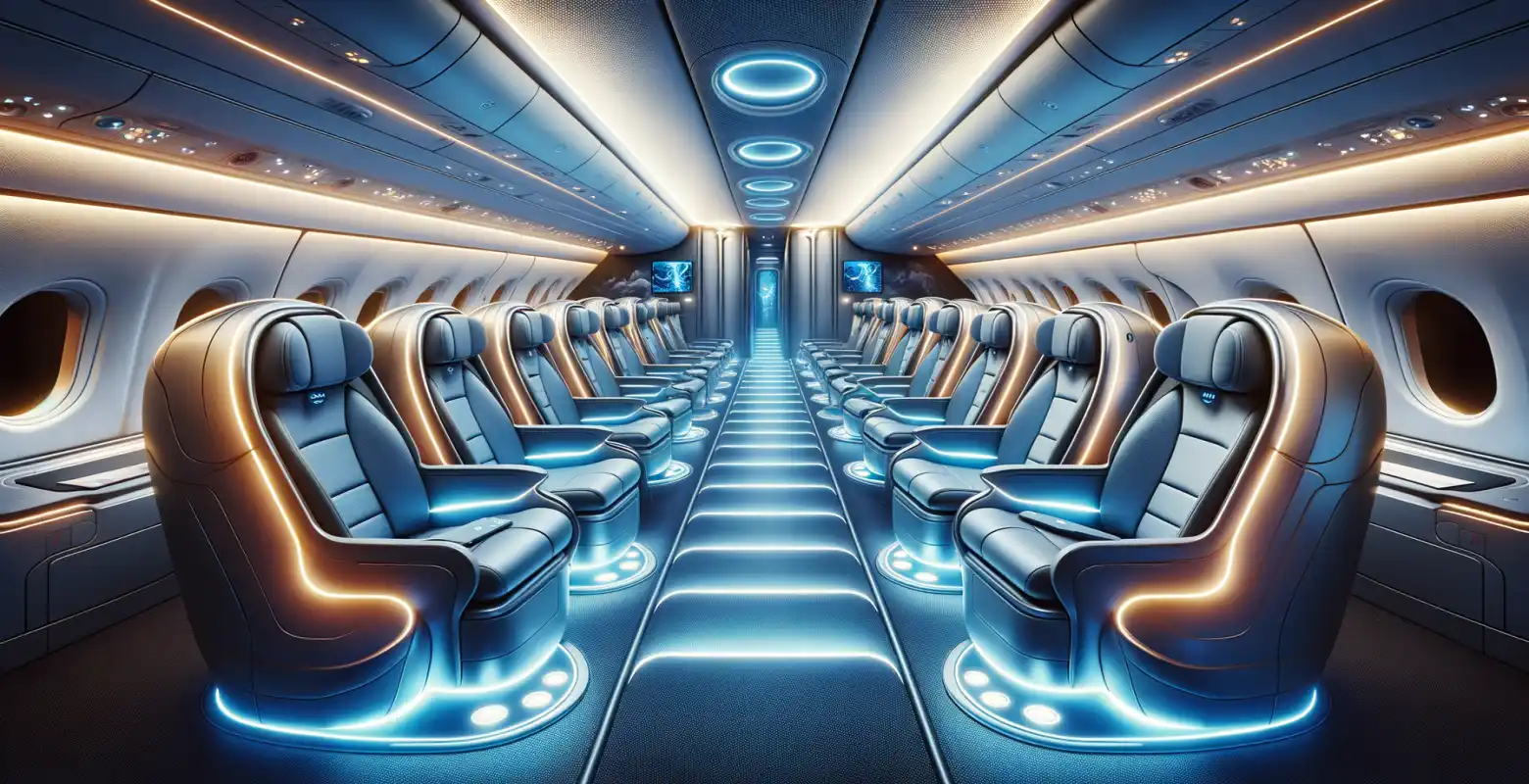
The future of passenger cabins - personalization and comfort
Introduction
In today's world, the aviation industry is constantly seeking innovations that can enhance passengers' experiences. The increasing expectations of travelers regarding comfort and personalization make airlines and aircraft manufacturers focus on passenger cabins as a key element in providing an exceptional flight experience. The importance of this topic is unquestionable as more and more people choose air travel as their preferred form of transportation. In this article, we will examine how the future of passenger cabins is shaped by personalization and comfort, how technologies and trends impact these changes, and what challenges the industry faces.
Personalization as a Key Element of the Future of Passenger Cabins
Individual Passenger Needs
Personalization in the context of passenger cabins refers to adapting services and amenities to the individual needs of travelers. Thanks to technological advancements, airlines can gather data on their customers' preferences, allowing them to create more personalized experiences. Examples include selecting meals according to a passenger's diet, seat preferences, and even adjusting the temperature and lighting in the cabin.
Technologies Supporting Personalization
Modern technologies such as the Internet of Things (IoT) and artificial intelligence (AI) play a crucial role in increasing the possibilities for personalization. These systems can automatically adjust cabin settings, such as lighting or temperature, to the traveler's preferences stored in their profile. Furthermore, interactive screens and in-flight entertainment systems offer content tailored to the passenger's tastes, further enhancing the individualization of the experience.
Comfort as a Priority in Designing Passenger Cabins
Ergonomics and Space
Passenger comfort is one of the most important aspects of designing modern cabins. Airlines and aircraft manufacturers focus on seat ergonomics, increasing legroom, and improving the materials used in cabin equipment. Striving for maximum comfort also includes reducing noise, improving air quality, and optimizing lighting to reduce passenger fatigue during long flights.
Innovative Solutions
Introducing new technologies, such as cabins with adjustable LED lighting that can simulate sunrise and sunset, helps regulate passengers' circadian rhythms and reduce jet lag effects. Integrated seat massage systems and the ability to adjust their positions further enhance travel comfort. Airlines also invest in more advanced in-flight entertainment systems with high-resolution screens and a wide selection of content.
Challenges and Future Trends
Challenges Related to Personalization and Comfort
Despite numerous benefits, personalization and increasing comfort in passenger cabins come with certain challenges. One of the main issues is securely managing passenger data in compliance with data protection regulations. Additionally, the introduction of new technologies comes with costs that may affect airfare prices. Airlines must also consider the diversity of passenger preferences, which can be challenging to achieve in practice.
Trends for the Future
In the future, we can expect further development of passenger cabins towards even greater personalization and comfort. Technologies such as virtual reality (VR) and augmented reality (AR) may become part of in-flight entertainment systems, offering passengers new ways to spend their time during the flight. Furthermore, the advancement of material technologies may contribute to the introduction of lightweight and durable materials that will improve the comfort and energy efficiency of aircraft.
Summary
Personalization and comfort in passenger cabins are key factors shaping the future of air travel. With technological progress and innovative solutions, passengers can expect increasingly personalized and comfortable experiences. However, the aviation industry must face challenges related to costs and data security to meet the growing expectations of travelers. As technologies continue to evolve, we can expect even more advanced and thoughtful solutions that will make air travel even more enjoyable and tailored to the individual needs of passengers.

Number of comments: 0