

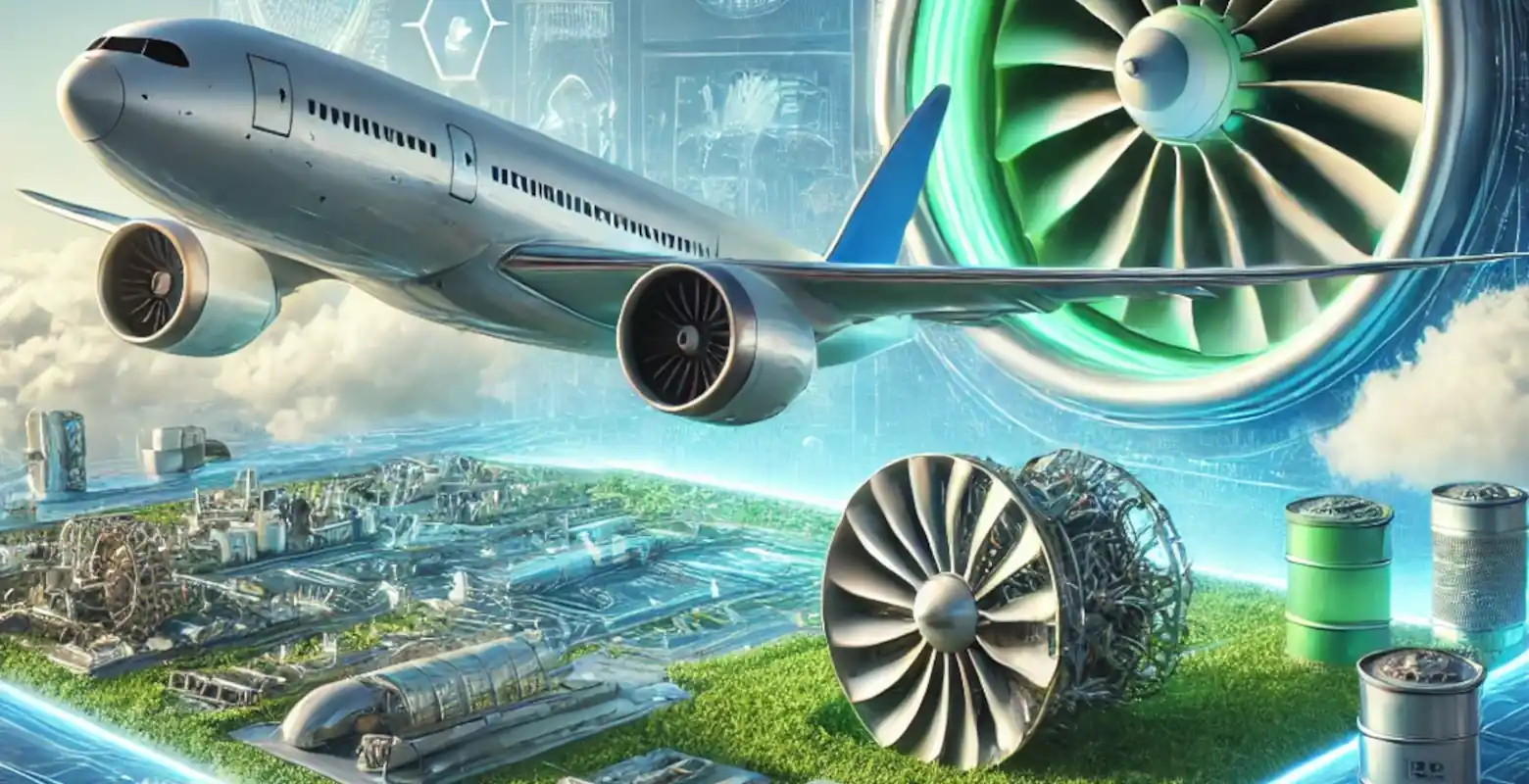
Breakthrough aviation technologies shaping the future: SAF, open-rotor engines, and new operational capabilities.
Year 2024 brings significant innovations in aviation technology that promise to revolutionize the way we travel and operate flights. As the aviation industry strives to meet the challenges of increasing travel demand and emissions reduction, innovative solutions emerge that could impact the future of aviation.
One of the key technological themes for 2024 is the development of Sustainable Aviation Fuel (SAF). According to forecasts, SAF production is expected to reach 3 billion gallons in the United States by 2030, representing a huge increase compared to the 15.8 million gallons produced in 2022. Similar requirements are growing in Europe - the percentage of SAF fuel in the market is expected to increase to 6% by the end of the decade. SAF is considered a key element in the plan to reduce emissions to net-zero by 2050. In 2024, engine manufacturers such as GE Aerospace are increasing investments in technologies supporting fuel efficiency, including the development of open-rotor engines that can improve fuel efficiency by 20% compared to current models.
The open-rotor technology, developed under the CFM RISE program by GE Aerospace and Safran, is one of the most promising innovations in aircraft propulsion. This technology, along with hybrid-electric propulsion systems, is becoming a key direction for development, aiming to improve both performance and reduce carbon dioxide emissions. Further progress is expected in this area in 2024, especially in the context of partnerships such as GE's collaboration with NASA on the development of hybrid propulsion systems for aviation.
Another significant technological trend is the increasing focus on developing operational capabilities in response to growing geopolitical tensions. Propulsion technologies are crucial for increasing range, thrust, and thermal management in military aircraft. Investments in innovative technologies, such as adaptive engines (e.g. GE XA100), will be crucial for maintaining operational advantage in the future. In 2024, the US budget for the development of these engines will amount to hundreds of millions of dollars, highlighting the importance of innovation in the defense sector.
At the same time, the aviation sector is facing challenges related to a shortage of qualified workers. The demand for aircraft mechanics is rising, and the global market requires about 34,500 new specialists annually for aircraft construction, servicing, and repairs. In response to this, the aviation industry is introducing new training programs, such as initiatives by GE Aerospace, that offer free technical training to facilitate access to a career in aviation.
Technologies such as SAF, open-rotor engines, and adaptive military engines, combined with new training initiatives, will have a significant impact on the future of aviation. In 2024, we are witnessing dynamic developments in many aspects of this industry, offering an exciting perspective for the years to come.



Number of comments: 0