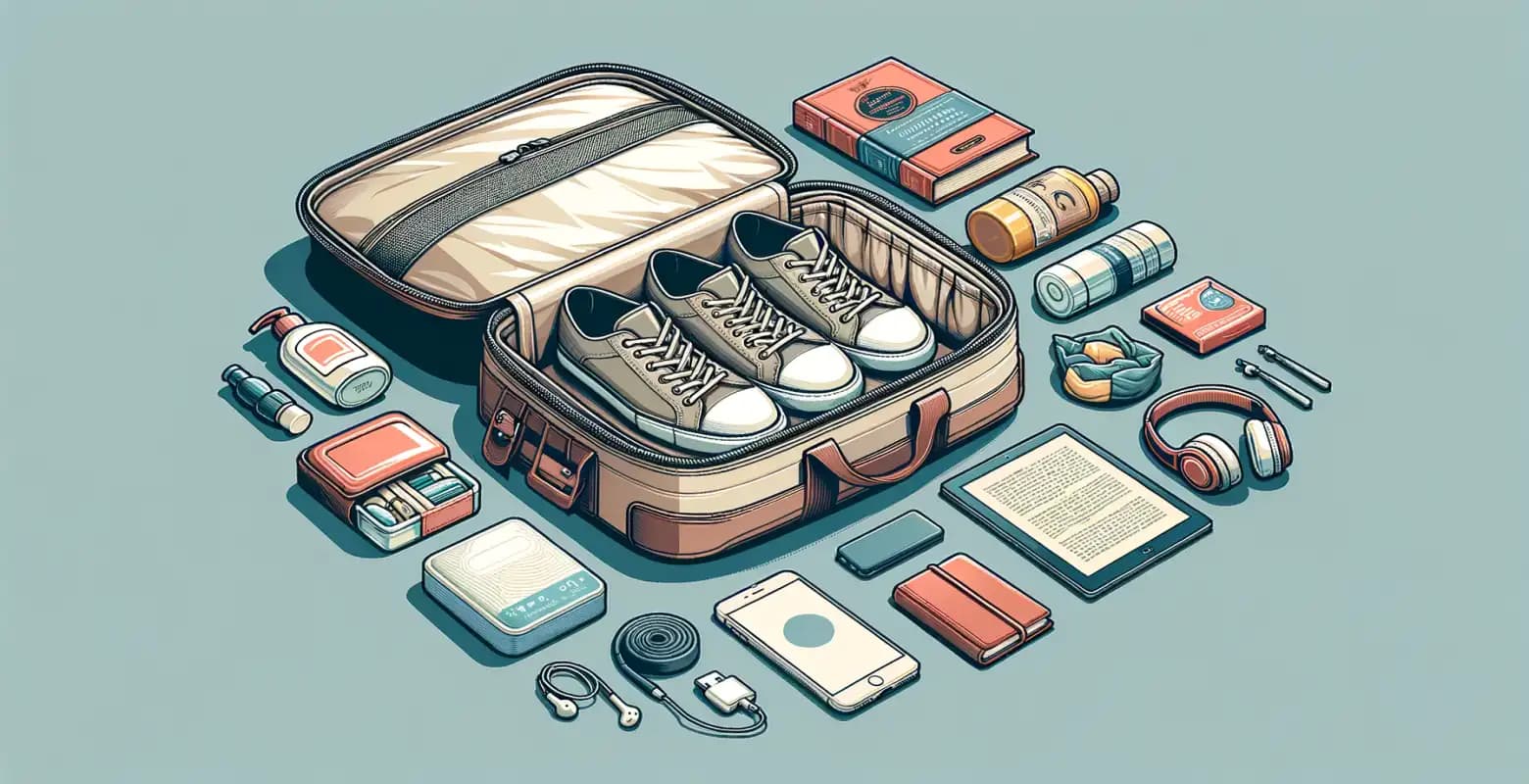
What to pack in your carry-on luggage? Practical advice
Introduction
Traveling by plane is an exciting experience, but it often requires proper preparation, especially when it comes to packing your carry-on luggage. Carry-on baggage is the only luggage you always have with you, so it's worth knowing what to bring to make your journey comfortable and stress-free. With proper planning, you can avoid problems related to weight restrictions, liquid regulations, or accidentally leaving necessary items behind. In this article, we will discuss what should be included in your carry-on luggage to make your journey as comfortable and stress-free as possible.
Size and Weight of Carry-On Luggage
Each airline has its own regulations regarding the size and weight of carry-on luggage. Therefore, before each trip, it's worth familiarizing yourself with the rules of the chosen airline. Typically, the dimensions of carry-on luggage do not exceed 55 x 40 x 20 cm, and the weight ranges between 5 and 10 kg. Exceeding these norms may result in additional fees or the need to check your baggage, which can be inconvenient.
It's worth noting that in addition to the main carry-on luggage, many airlines allow you to bring a small backpack, purse, or laptop as a second, smaller bag.
Documents and Essential Items
Your carry-on luggage should primarily contain essential documents. Here's what you should have on hand:
- Passport or ID card – depending on the travel destination.
- Boarding pass – in paper or electronic form on your phone.
- Insurance policy – in case of accidents or health issues.
- Credit/debit card – it's good to have multiple forms of payment.
- Transportation tickets – if you plan to continue your journey after landing (e.g., a train ticket).
Additionally, it's advisable to bring a notebook and pen, especially for business trips, as well as headphones, which can be useful during long flights.
Liquids and Cosmetics
When traveling by plane, it's essential to remember the regulations regarding carrying liquids in your carry-on luggage. All liquids must be packed in containers with a maximum capacity of 100 ml, and the total amount of liquids must not exceed 1 liter. It's advisable to have a transparent, sealable bag for cosmetics, as you may need to take them out for inspection at the airport.
The most commonly carried cosmetics include:
- Spray or roll-on deodorant (remember the 100 ml capacity limit).
- Travel-sized toothpaste and toothbrush – useful for longer flights.
- Lip balm and hand cream – the airplane air can be dry.
- Moisturizing wipes – perfect for freshening up during the journey.
Medications and First Aid Kit
If you take medications regularly, remember to always have them in your carry-on luggage. In case of luggage delay or loss, not having access to medications can be dangerous for your health. Additionally, it's recommended to bring a basic travel first aid kit, which should include:
- Painkillers and cold/flu medication.
- Plasters and bandages.
- Indigestion or bloating relief medication.
- Eye or nasal drops (especially useful in air-conditioned environments).
Remember that liquid medications should also be in containers with a maximum capacity of 100 ml.
Electronics and Travel Accessories
More and more people travel with electronics such as laptops, tablets, phones, or e-readers. It's essential to ensure that these devices are adequately protected, for example, in special cases. Additionally, don't forget about:
- Chargers for all devices.
- Power bank – ideal for quickly recharging your phone battery.
- Socket adapter – particularly important if you're traveling to a country with different plug standards.
- Headphones – useful during the flight, especially if you want to watch a movie or listen to music.
Change of Clothes and Useful Accessories
During long flights or layovers, it's advisable to bring change of clothes with you. Even a short trip can involve delays, so it's good to have something to change into to feel comfortable. It's also worth considering:
- Travel blanket – provides warmth on the plane.
- Travel pillow – perfect for resting during long flights.
- Eye mask and earplugs – for a peaceful sleep in noisy environments.
- Extra underwear and t-shirt – in case of a longer journey or delay.
Food and Drinks
During short-haul flights, many airlines do not offer onboard meals or they are available for purchase. Therefore, it's a good idea to bring snacks with you to help you endure longer periods without food. Fruits, energy bars, sandwiches, or nuts are good choices. Regarding drinks, remember that you cannot bring liquids exceeding 100 ml before the security check, but after passing the security, you can buy water or beverages in the duty-free area.
What to Leave at Home?
Although the list of items to bring in your carry-on luggage is long, there are also items that should not be taken onboard the plane. The most commonly prohibited items include:
- Sharp objects such as knives, scissors, or tools.
- Containers with liquids exceeding 100 ml.
- Flammable or explosive substances (e.g., large aerosol deodorants).
It's always advisable to familiarize yourself with the airline's transport regulations to avoid unpleasant situations during baggage checks.
Summary
Packing your carry-on luggage is an art that requires careful consideration of every detail. It's crucial to bring along the most important items such as documents, medications, cosmetics, and electronics, while avoiding prohibited items. A well-prepared carry-on bag will make your plane journey more comfortable and stress-free. Also, remember to adhere to the regulations regarding the size and weight of luggage to avoid additional costs.