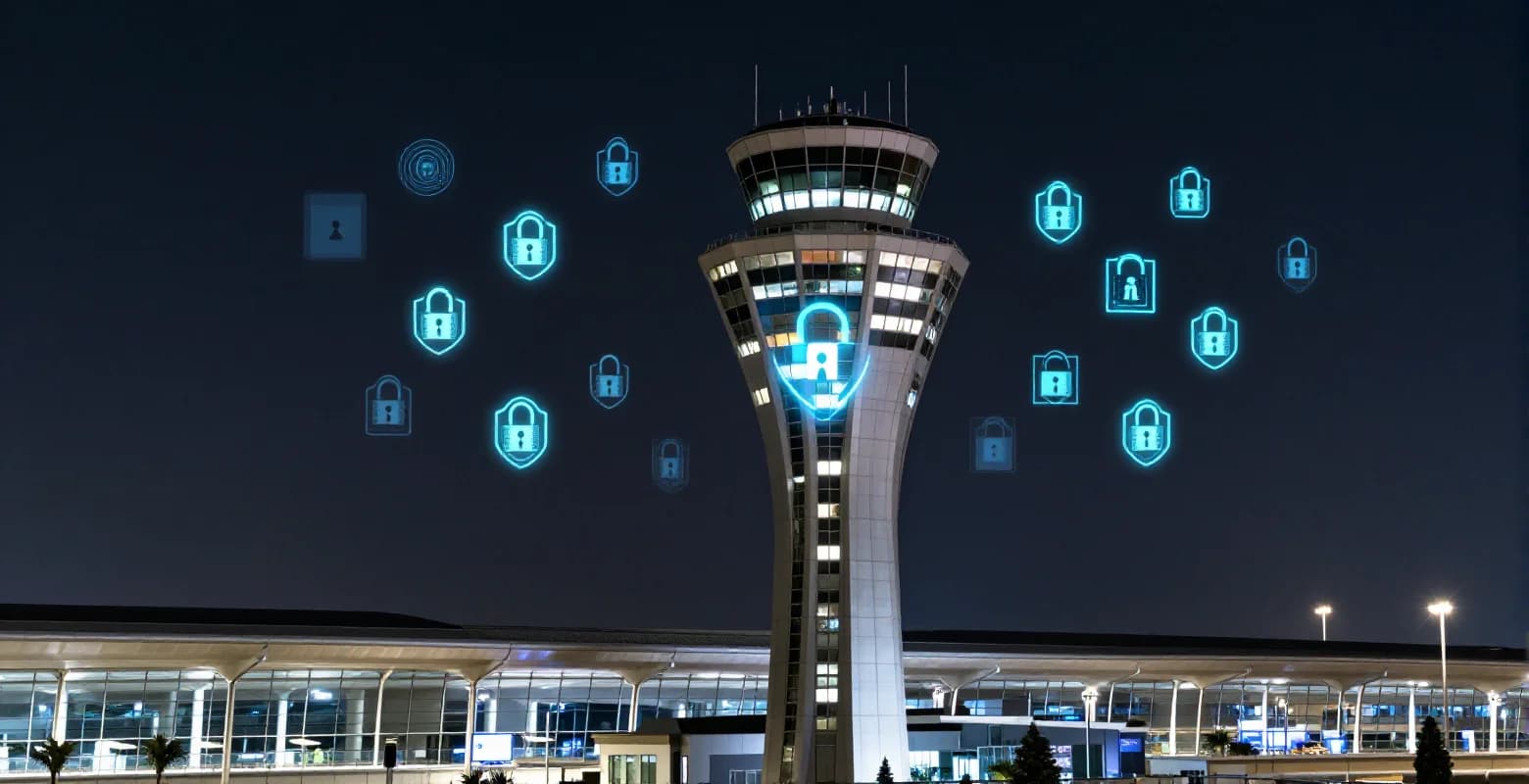
How Airports Deal with Cyber Threats: Strategies for Protecting Critical Infrastructure in the Digital Age
Introduction
Airports, as key components of the global transportation system, face unique challenges related to cybersecurity. In an era of increasing digitization and the integration of smart technologies, airport infrastructure is more vulnerable to hacking attacks. From air traffic control systems to baggage management networks, every element must be protected against potential threats.
In 2019, an attack on the air traffic control system in Iran resulted in the paralysis of air communication. This incident highlighted to the world how critical digital security is for the safety of airport operations.
Advanced Strategies for Protection Against Cyber Threats
Airports around the world are implementing advanced systems for detecting and preventing attacks. Key elements of these strategies include:
- Isolated networks: Separating critical operating systems from the public internet minimizes the risk of infection.
- SIEM (Security Information and Event Management) systems: They monitor network activity in real-time, detecting anomalies and potential threats.
- Employee training: Regular exercises simulating phishing attacks raise awareness of threats among staff.
- Partnerships with government agencies: Collaborating with organizations such as CERT (Computer Emergency Response Team) allows for quick reactions to incidents.
Impact of Cyber Threats on Airport Operations
Cyberattacks can have catastrophic consequences for airport operations. Examples include:
- Disruptions in traffic control: An attack on ATC (Air Traffic Control) systems can paralyze airspace, as happened during the 2019 incident.
- Data theft of passengers: Breaches of ticketing systems can lead to leakage of sensitive personal information.
- Failure of baggage systems: Blocking baggage management networks complicates passenger handling and generates financial losses.
- Operational disinformation: False bomb threats sent by hackers can force terminal evacuations.
Perspectives and Challenges
The future of airport cybersecurity will be shaped by:
- Advancements in artificial intelligence: AI algorithms can predict and neutralize threats in real-time.
- Integration of 5G technology: New communication capabilities require additional layers of protection against eavesdropping and attacks.
- Global regulations: International standards, such as the NIST Cybersecurity Framework, will guide the development of security measures.
- Geopolitical threats: State-sponsored attacks pose an increasing risk to critical infrastructure.
Conclusions
Airport cybersecurity is a rapidly evolving field that requires constant adaptation to new threats. The key to success lies in the combination of advanced technologies, employee awareness, and international cooperation. As recent years have shown, investments in digital protection are essential for ensuring the safety of millions of passengers worldwide.