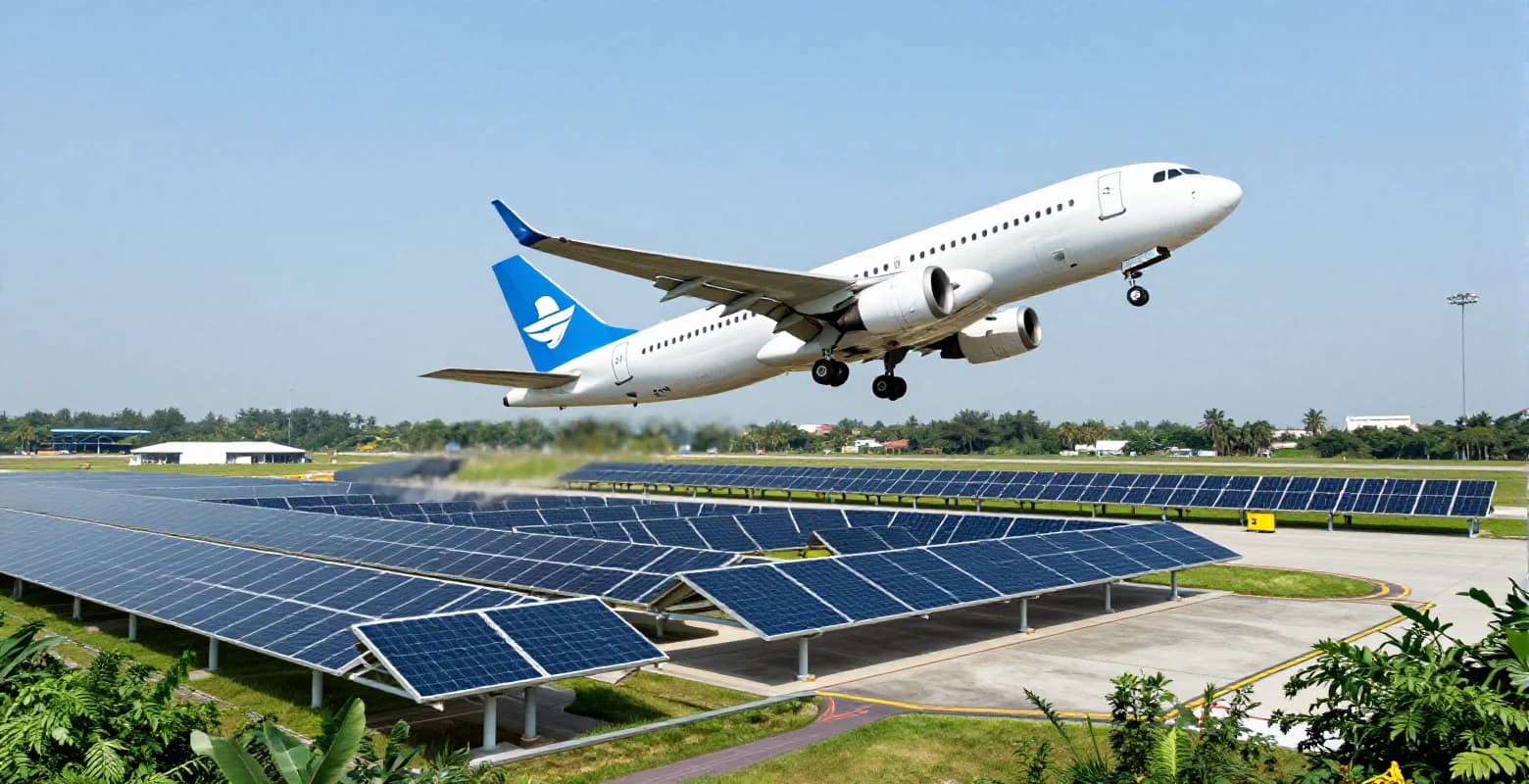
Can aviation be 100% climate neutral? Challenges and prospects for the industry
Introduction
Aviation, as one of the fastest-growing branches of transport, has for years faced the challenge of reducing its carbon footprint. In 2023, the International Civil Aviation Organization (ICAO) estimated that the aviation sector is responsible for about 2.5% of global CO2 emissions, a number that is rising with the intensification of air traffic. Is it possible to achieve complete climate neutrality in aviation? This question excites industry experts and policymakers.
Historically, the aviation industry has relied on fossil fuels like jet fuel (kerosene) for decades, the combustion of which generates significant amounts of greenhouse gases. However, in recent years, we have seen a growing environmental awareness and regulatory pressure that prompts airlines and aircraft manufacturers to seek more sustainable solutions.
Future propulsion technologies
The key to decarbonizing aviation lies in innovations in propulsion. Currently, the greatest hopes are pinned on three main directions:
- Alternative fuels (SAF - Sustainable Aviation Fuels): Biofuels produced from plant waste, algae, or even CO2 captured from the atmosphere can significantly reduce emissions. An example is the collaboration between Lufthansa and Neste, which supplies SAF to the fleet of the European carrier.
- Electric and hybrid propulsion: Although currently used mainly in small aircraft (e.g., Airbus's e-Fan X), advancements in battery technology may enable their wider application in the future, especially on short routes.
- Hydrogen: Hydrogen-powered aircraft (e.g., ZeroAvia) are in testing phases. Hydrogen can be produced using renewable energy, making it an attractive energy source for long-haul flights.
According to a 2023 IEA report, SAF can reduce CO2 emissions by up to 80% compared to traditional aviation fuel. However, their production requires significant investments and changes in supply chains.
Operational and regulatory challenges
Achieving climate neutrality is not just a matter of technology, but also of systemic changes. The main challenges include:
- Infrastructure: Airports must be prepared to handle new types of fuels and aircraft. An example is Heathrow, which is investing in SAF refueling stations.
- Costs: Alternative fuels are currently more expensive than conventional ones, which may affect ticket prices. It is estimated that fully adapting fleets to SAF could cost airlines hundreds of billions of dollars.
- Sustainability: The production of biofuels must be conducted in a way that does not compete with food production and does not cause deforestation.
The European Union is introducing regulations, such as the ReFuelEU regulation, that gradually increase the share of SAF in fuel mixes. However, critics point to the need for a global agreement to avoid uneven competition between carriers.
Prospects and challenges
Experts are divided on the possibility of achieving 100% neutrality. On one hand, technological advancements (e.g., new generations of lower-emission engines) and the growing scale of SAF production offer hope for significant carbon footprint reductions by 2050. On the other hand, IATA forecasts a growth in air traffic of 4-5% per year, which may hinder total decarbonization.
It will be crucial to combine technological innovations with operational efficiency (e.g., optimizing routes, using lighter materials in aircraft construction) and international cooperation. As the IPCC report emphasizes, aviation must become part of a broader energy transformation, rather than an exception.
Conclusions
Although full climate neutrality in aviation seems achievable in the long term, it requires unprecedented collaboration between industry, governments, and society. Key will be investments in research on alternative fuels and regulatory pressure that forces the industry to radically change its operating model. As examples of pioneers like KLM (investing in SAF) or EasyJet (testing hydrogen) show, the path to sustainable aviation is laid out - the question remains of determination to follow it.