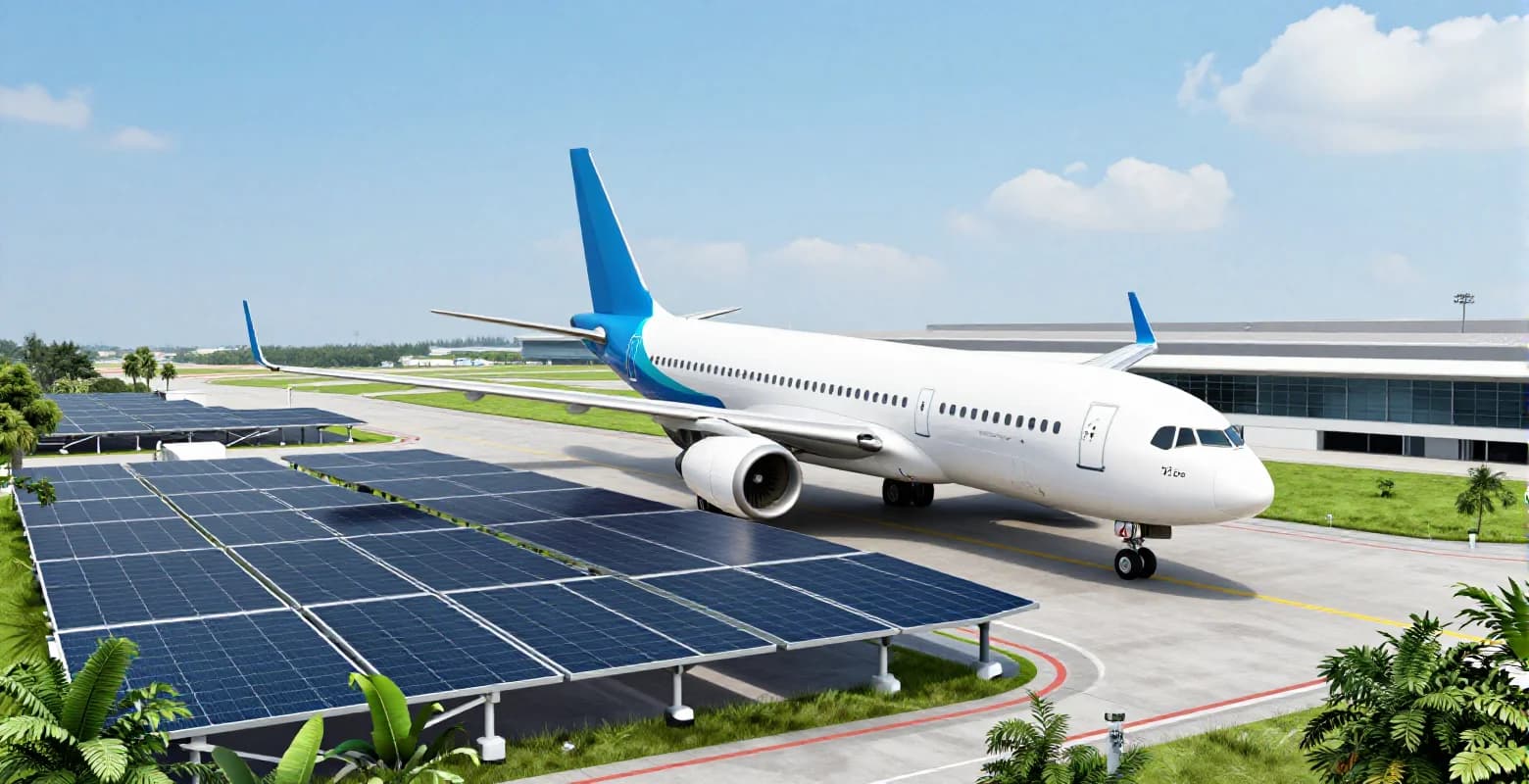
The Impact of Climate Change on the Aviation Industry: Challenges and Innovations in the Era of Sustainable Transport
Introduction
Climate change has become one of the most significant challenges of our time, and the aviation industry, responsible for approximately 2% of global CO2 emissions, is at the forefront of this transformation. In recent years, the sector has undergone dynamic evolution, striving for sustainability and reducing its carbon footprint.
Aviation has long been a symbol of technological progress, but its growing environmental impact necessitates a redefinition of priorities. According to the International Civil Aviation Organization (ICAO), CO2 emissions from air transport could rise by over 70% by 2050 if no decisive actions are taken. This puts the industry under pressure to innovate - from alternative fuels to revolutionary propulsion technologies.
Climate Change and Air Operations
Extreme weather events, such as hurricanes, heatwaves, and intense rainfall, directly affect flight safety and efficiency. For example, in 2021, record temperatures in Europe lengthened runways for aircraft, increasing fuel consumption by up to 5%. Meanwhile, more frequent sandstorms in the Middle East reduce visibility and require costly de-icing procedures.
Climate change also influences flight routes. Melting Arctic ice caps open new corridors but increase the risk of turbulence and icing. Airlines must adapt their navigation systems and operational procedures, generating additional costs.
Technological Innovations in Response to Challenges
The aviation industry is investing billions of dollars in sustainable technologies. Key directions include:
- Alternative Fuels: Sustainable Aviation Fuel (SAF), produced from biomass, agricultural waste, or hydrogen, can reduce CO2 emissions by up to 80%. By 2030, it is expected to account for 2% of the global aviation fuel market.
- Electric and Hydrogen Propulsion: Prototypes of electric aircraft, such as the two-seat E-Fan X, are being tested by Airbus. In the long term, hydrogen fuel cells could power larger machines.
- Aerodynamics and Materials: Lighter composites (e.g., carbon fiber) and more aerodynamic hull shapes reduce fuel consumption by 15-20%. The Boeing 787 Dreamliner is a prime example.
- Route Optimization: Systems like Green Route, using real-time meteorological data, can shorten routes by up to 10%, saving fuel.
Economic and Regulatory Consequences
Transitioning to sustainable aviation requires massive financial investments. According to a McKinsey report, low-emission technology investments could reach 350 billion USD by 2030. Meanwhile, rising prices of traditional fuels (averaging 1.47 USD per gallon in 2022) accelerate the adoption of alternatives.
Governments and international organizations are introducing stricter regulations. The European Union has included aviation in its Emissions Trading System (ETS), while ICAO promotes the „net-zero“ goal by 2050. Airlines like Lufthansa and KLM declare carbon neutrality through offsets and investments in reforestation projects.
Perspectives and Challenges
Despite progress, the industry faces barriers. High research and certification costs for new technologies and limited infrastructure (e.g., lack of SAF refueling stations) slow the transition. Additionally, passenger pressure for low ticket prices hinders passing environmental costs to customers.
The future of aviation depends on global cooperation. Investments in fusion energy research (as a potential power source for aircraft) and standardization of solutions by ICAO are crucial. Consumer engagement will also be key - e.g., through CO2 offset programs, already used by 10% of passengers in Europe.
Conclusions
Climate change is transforming the aviation industry from a high-emission sector into a leader of sustainable development. While challenges are immense, technological innovations and regulatory pressure offer an opportunity to create a more resilient and ecological future. Success, however, depends on the determination of the entire sector - from aircraft manufacturers to airlines and passengers.